
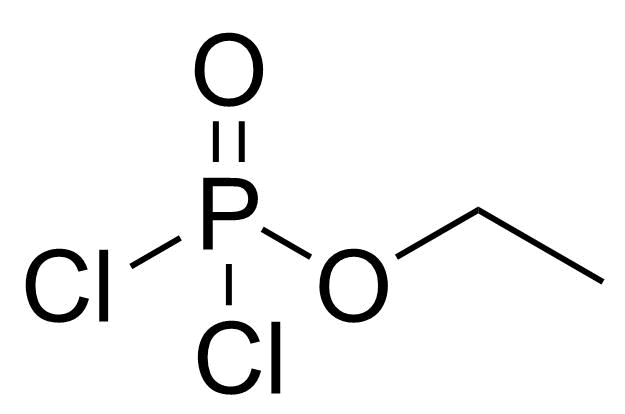
Ethyl dichlorophosphate
Dichlorophosphoric acid O-ethyl ester ; Ethyl phosphorodichloridate ; ethoxyphosphonoyl dichloride ; Dichloroethoxyphosphine oxide
For more information or to place an inquiry, please email us to
georganics@georganics.sk or use our contact form
Regulatory Information


H301 – Toxic if swallowed
H311 – Toxic in contact with skin
H314 – Causes severe skin burns and eye damage
H330 – Fatal if inhaled
P260 – Do not breathe dust/fume/gas/mist/vapours/spray:
P280 – Wear protective gloves/protective clothing/eye protection/face protection:
P301+310 – IF SWALLOWED: Immediately call a POISON CENTER or doctor/physician
P301+330+331 – IF SWALLOWED: Rinse mouth. Do NOT induce vomiting
P302+350 – IF ON SKIN: Gently wash with soap and water
P304+340 – IF INHALED: Remove victim to fresh air and keep at rest in a position comfortable for breathing
P305+351+338 – IF IN EYES: Rinse cautiously with water for several minutes. Remove contact lenses if present and easy to do – continue rinsing
P312 – Call a POISON CENTER or doctor/physician if you feel unwell:
Product categorization
Description
Ethyl dichlorophosphate is a highly reactive electrophile suitable for important nucleophilic …
Show full descriptionApplication of Ethyl dichlorophosphate:
It is a highly reactive electrophile suitable for important nucleophilic additions, it can be used in preparation of various nucleoside phosphate and phosphonate prodrugs.[4] It was recently used as a starting material in the synthesis of phosphinanes and azaphosphinanes as potent and selective inhibitors of activated thrombin-activatable fibrinolysis inhibitor (TAFIa) as a promising therapeutic option to treat patients with pulmonary embolism or ischemic stroke by accelerating blood vessel recanalization and improving patient outcome.[5]Product categorization (Chemical groups):
Main category: _______________________________________________________________________Similar products
| Product name | Structure | CAS# | G-code | |
|---|---|---|---|---|
| 2-Aminoethyl dihydrogen phosphate | 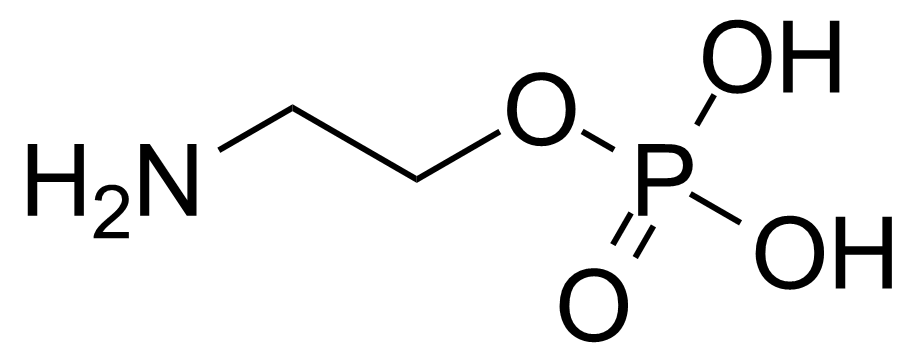 | [1071-23-4] | GEO-00129 | |
| 2-Aminoethyl dihydrogen phosphate magnesium salt (2:1) | 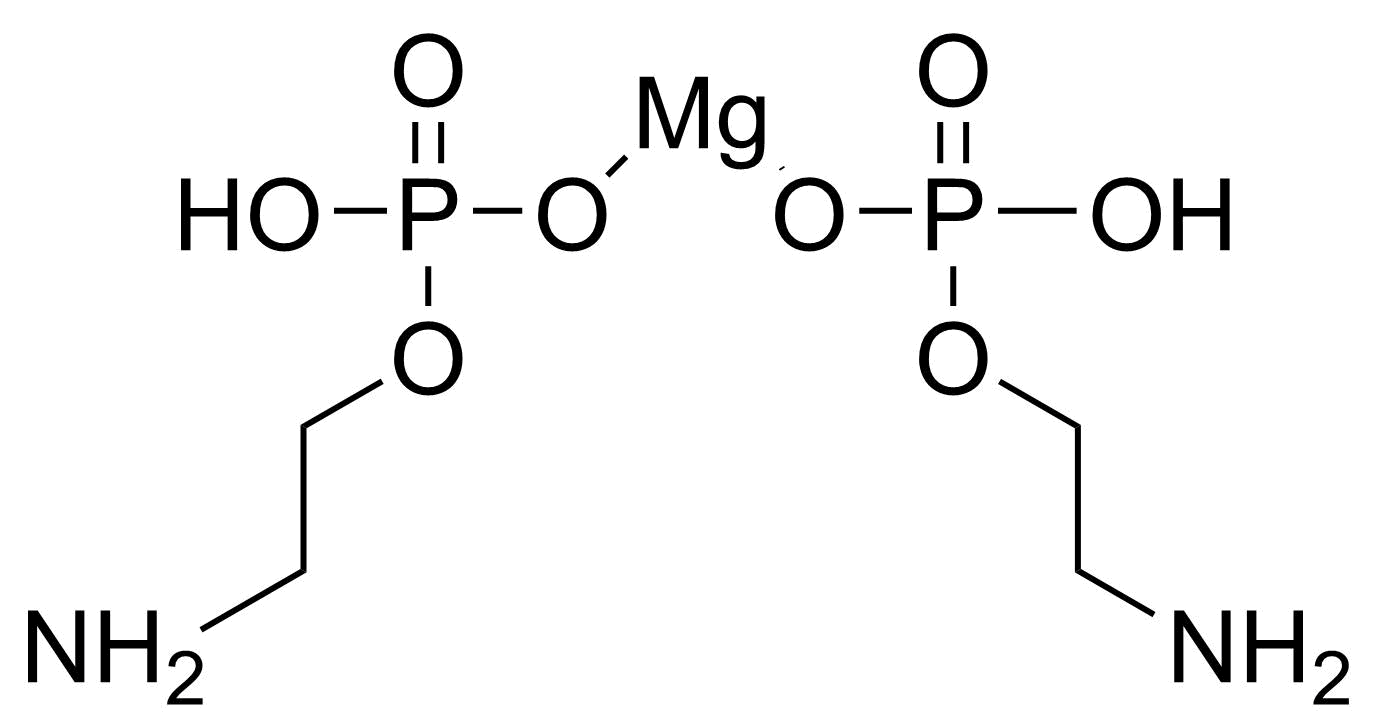 | N/A | GEO-04286 | |
| (Aminomethyl)phosphonic acid | 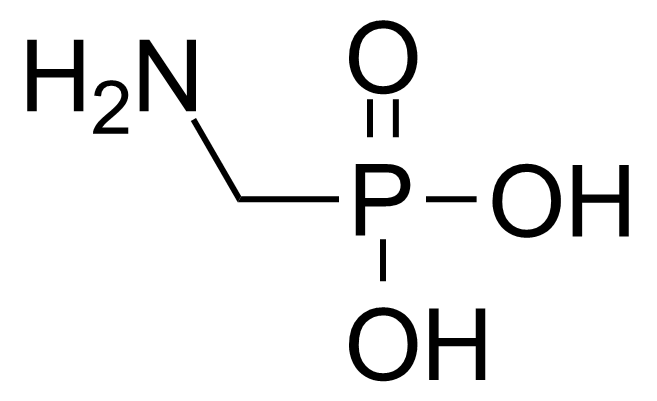 | [1066-51-9] | GEO-00169 | |
| (3-Aminopropyl)phosphonic acid | 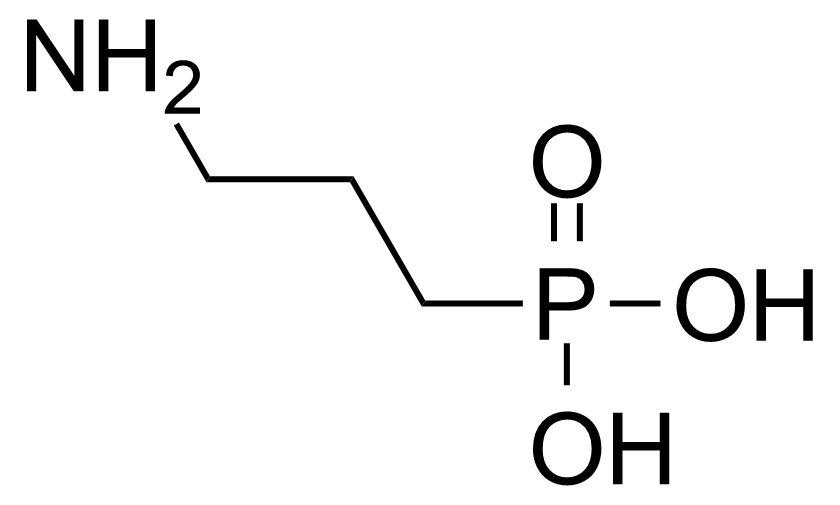 | [13138-33-5] | GEO-00218 | |
| Benzo[d]isoxazol-3-yl diphenyl phosphate | ![Structure of Benzo[d]isoxazol-3-yl diphenyl phosphate](https://georganics.sk/wp-content/uploads/2021/05/GEO-00266_Benzodisoxazol-3-yl_diphenyl_phosphate.png) | [94820-31-2] | GEO-00266 | |
| Benzyl dimethylphosphonoacetate | 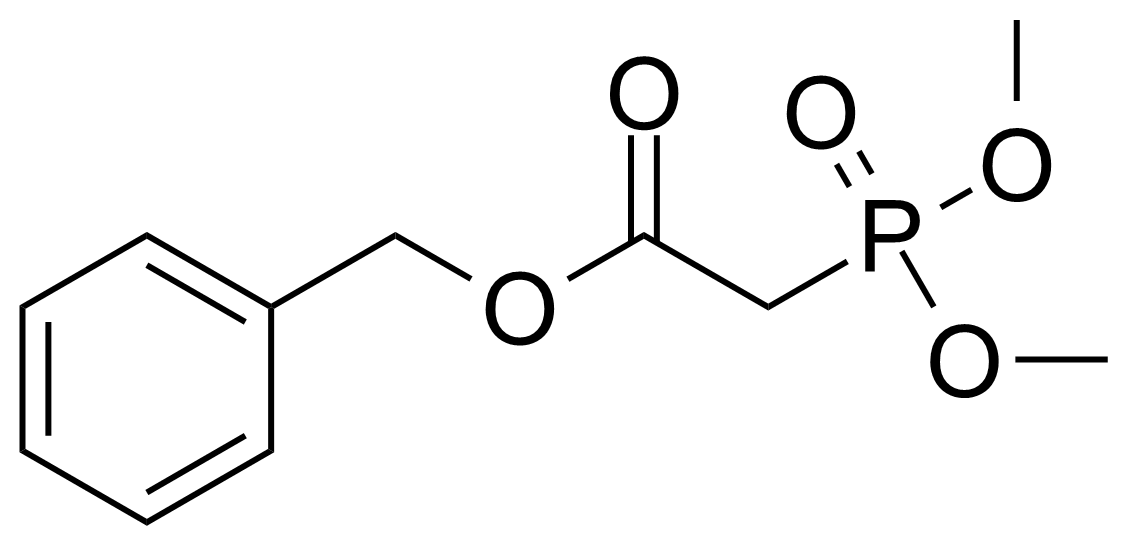 | [57443-18-2] | GEO-02882 | |
| Benzyl(triphenylphosphoranylidene)acetate | 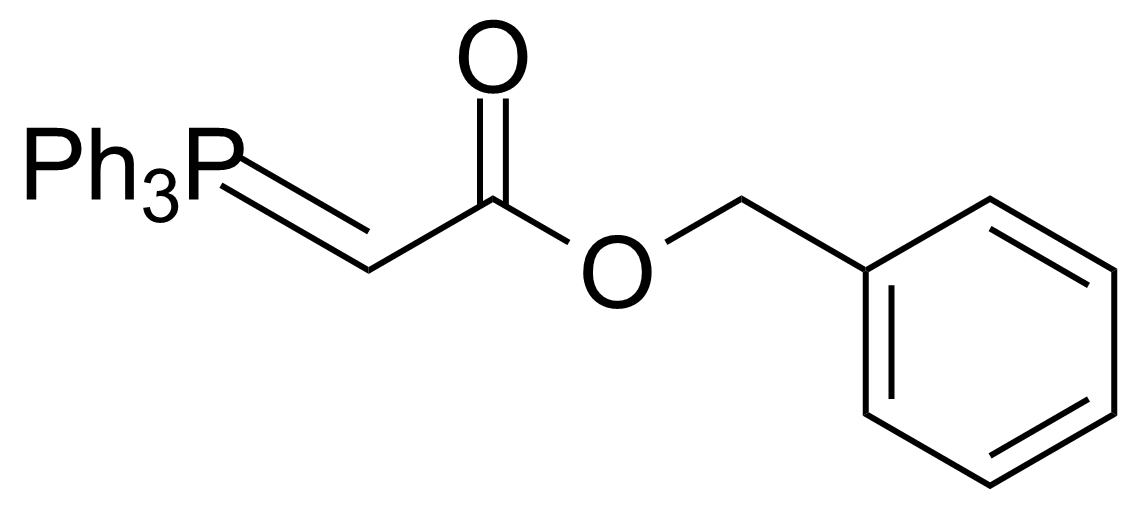 | [15097-38-8] | GEO-02511 | |
| New | 4-Bis(3,5-ditert-butylphenyl)phosphanylbutyl-bis(3,5-ditert-butylphenyl)phosphane | 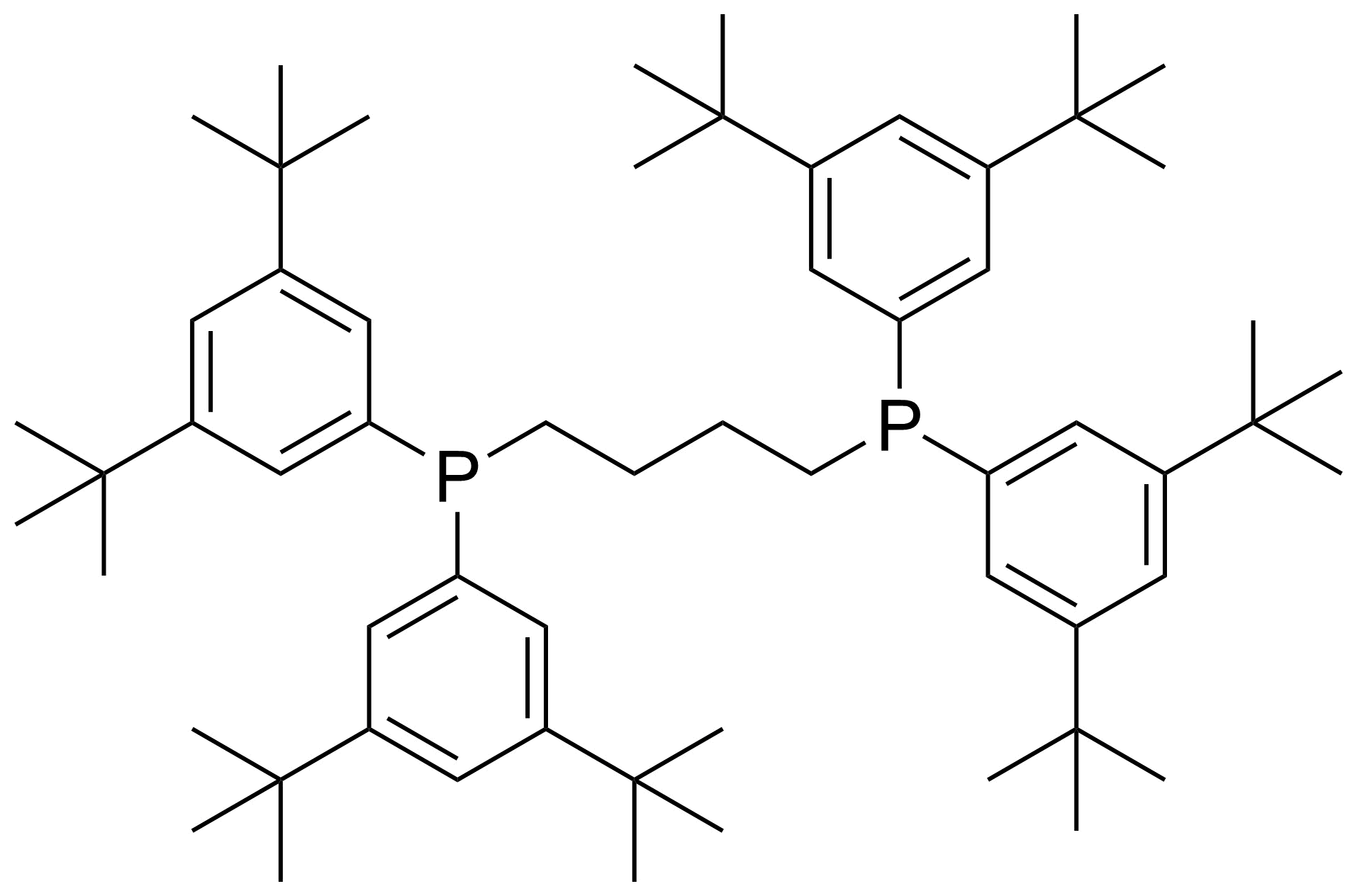 | [1800417-20-2] | GEO-04884 |
| Bis(dichlorophosphino)methane | 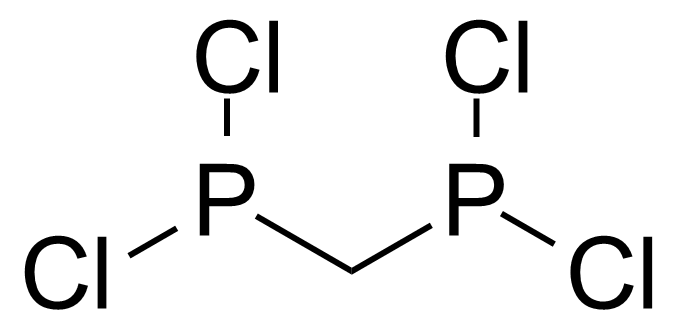 | [28240-68-8] | GEO-03420 | |
| Bis(diethylamino)chlorophosphine | 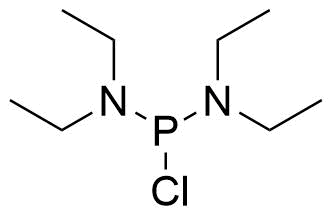 | [685-83-6] | GEO-04741 |