
Laboratory type
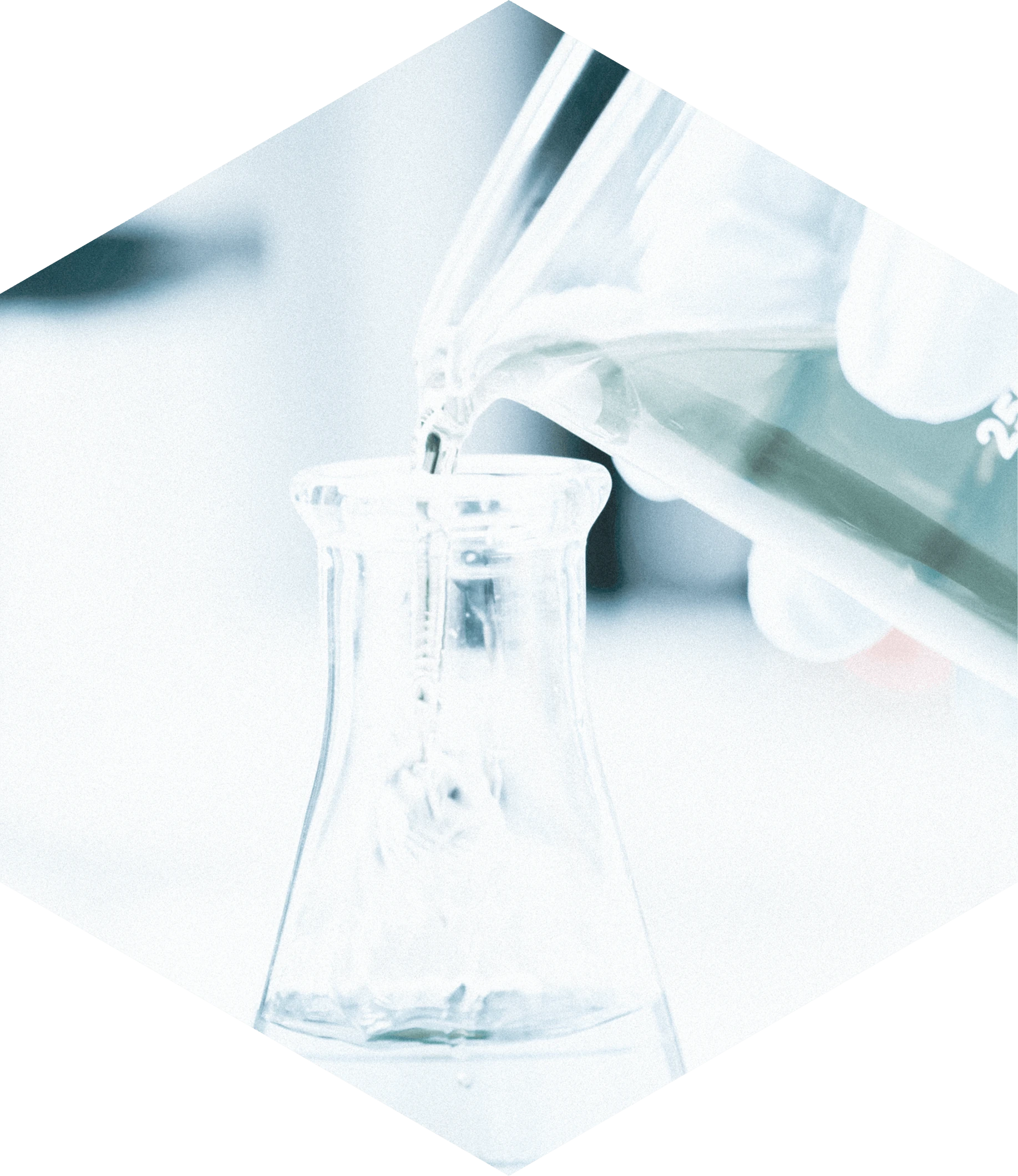
A chemistry laboratory is a specialized facility meticulously designed to facilitate a broad range of scientific investigations, primarily centered on the comprehensive study of matter and the dynamic processes of chemical transformations. These laboratories are equipped with advanced instrumentation and tools crucial for conducting rigorous experimentation. Core activities within a chemistry lab include characterizing the physical and chemical properties of various substances, meticulously examining their reactions, and often involving the controlled synthesis of novel chemical compounds. Furthermore, laboratories are dedicated to the purification of existing compounds and the detailed analysis of their composition, utilizing techniques like spectroscopy, chromatography, and titration. Researchers employ these tools to understand reaction mechanisms, determine molecular structures, and ultimately, contribute to advancements in fields ranging from pharmaceuticals to materials science.
Types of Laboratories
1. Research Laboratories
- Purpose: Conduct fundamental or applied scientific research.
- Fields: Chemistry, biology, physics, materials science.
- Features: Advanced instrumentation (e.g., spectrometers, microscopes), Controlled environments for precision
2. Analytical Laboratories
- Purpose: Analyze substances to determine composition, purity, or concentration.
- Common Techniques: Chromatography, spectroscopy, titration.
- Industries: Pharmaceuticals, environmental science, food safety.
3. Clinical and Medical Laboratories
- Purpose: Diagnose diseases and monitor health conditions.
- Types: Hematology labs (Blood analysis), Microbiology labs (Pathogen identification), Biochemistry labs (Enzyme and metabolite testing)
4. Chemical Laboratories
- Purpose: Synthesize, test, and study chemical compounds.
- Subtypes: Organic chemistry labs, Inorganic chemistry labs, Industrial chemistry labs
- Safety: High emphasis on ventilation, PPE, and chemical storage
5. Biological Laboratories
- Purpose: Study living organisms and biological processes.
- Subtypes: Molecular biology labs, Genetics labs, Cell culture labs
6. Physics Laboratories
- Purpose: Explore physical phenomena and test theories.
- Focus Areas: Optics, electromagnetism, thermodynamics, quantum mechanics.
- Equipment: Lasers, oscilloscopes, particle detectors
7. Environmental Laboratories
- Purpose: Monitor and assess environmental samples.
- Tests: Water quality, air pollution, soil contamination.
8. Industrial and Quality Control Labs
- Purpose: Ensure product consistency and compliance.
- Industries: Manufacturing, food processing, cosmetics.
- Tasks: Material testing, batch verification, regulatory checks.
Safety and Design Considerations
- Ventilation: Fume hoods, laminar flow cabinets
- Storage: Chemical cabinets, cold rooms
- Waste Disposal: Biohazard and chemical waste protocols
- Access Control: Restricted entry for high-risk labs