
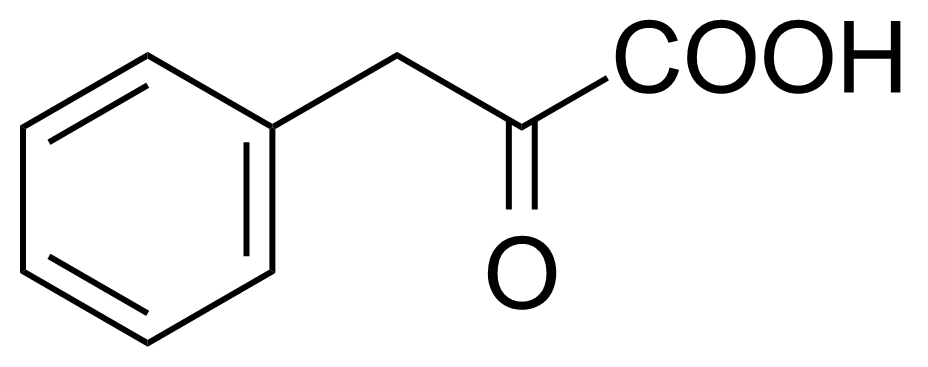
Phenylpyruvic acid
Product has been discontinued.
2-Oxo-3-phenylpropanoic acid ; 2-Oxo-3-phenylpropionic acid ; alpha-Keto-DL-phenylalanine ; 3-phenylpyruvic acid
For more information or to place an inquiry, please email us to
georganics@georganics.sk or use our contact form
Regulatory Information
Not regulated as a dangerous good.

H315 – Causes skin irritation
H319 – Causes serious eye irritation
H335 – May cause respiratory irritation
P261 – Avoid breathing dust/fume/gas/mist/vapours/spray:
P280 – Wear protective gloves/protective clothing/eye protection/face protection:
P302+352 – IF ON SKIN: Wash with soap and water
P305+351+338 – IF IN EYES: Rinse cautiously with water for several minutes. Remove contact lenses if present and easy to do – continue rinsing
Product categorization
Description
Phenylpyruvic acid is a useful chemical compound with a variety of research applications. We are pleased to offer high quality Phenylpyruvic acid in various sizes (for research, pilot-scale, or production applications) from milligrams to multi-kilogram batches, making it easy for you to choose the right amount to suit your needs.
Show full descriptionPreparation of Phenylpyruvic acid:
It can pre prapared by hydrolysis of aminocinnamic acid derivatives e.g. α-acetaminocinnamic acid.[2] It has been prepared by condensation of benzaldehyde and glycine derivatives to give phenylazlactone, which is then hydrolyzed with acid- or base-catalysis.[3] It can also be synthesized by catalytic carbonylation of a benzyl halide in the presence of a catalytic system based on carbonyl complexes of cobalt or precursors.[4]Application:
Phenylpyruvate derivatives can be potential inhibitors of the phenylpyruvate tautomerase activity catalysed by the Macrophage Migration Inhibitory Fator (MIF) which has been identified as a pro-inflammatory cytokine.[5] It was used in the synthesis of series of 7H-thiazolo[3,2-b]-1,2,4-triazin-7-one derivatives with anti-acetylcholinesterase activity.[6] Phenylpyruvate was used in the synthesis of quinoxaline derivatives targeting HIV reverse transcriptase enzyme.[7] Reductive amination of phenylpyruvic acid gives phenylalanine.[8]Product categorization (Chemical groups):
Main category: Second level: Third level: _______________________________________________________________________Similar products
| Product name | Structure | CAS# | G-code | |
|---|---|---|---|---|
| 5-Acetyl-2-amino-4-(2-furanyl)-6-methyl-4H-pyran-3-carbonitrile | 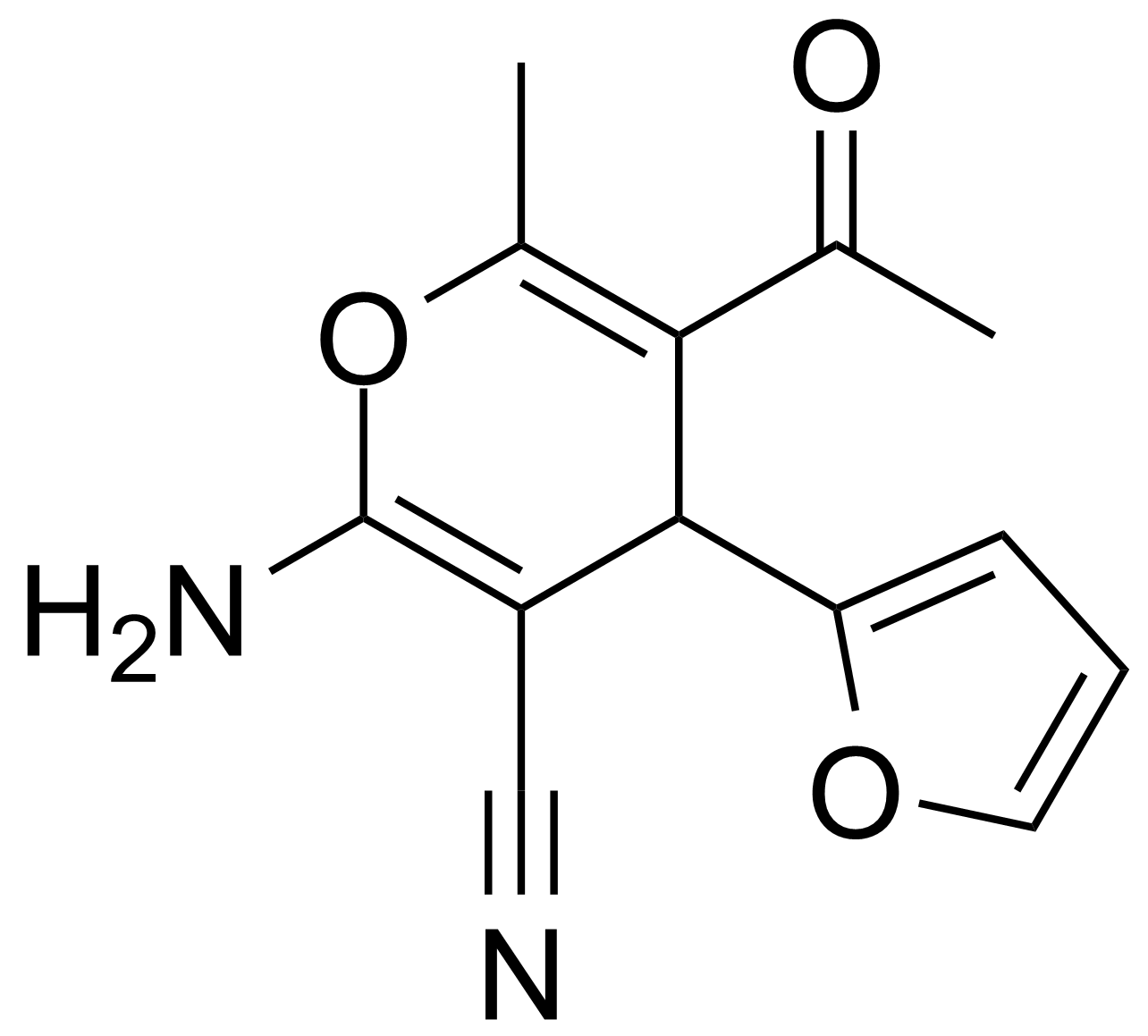 | [105263-08-9] | GEO-00016 | |
| 5-Acetyl-2-amino-4-(4-methoxyphenyl)-6-methyl-4H-pyran-3-carbonitrile | 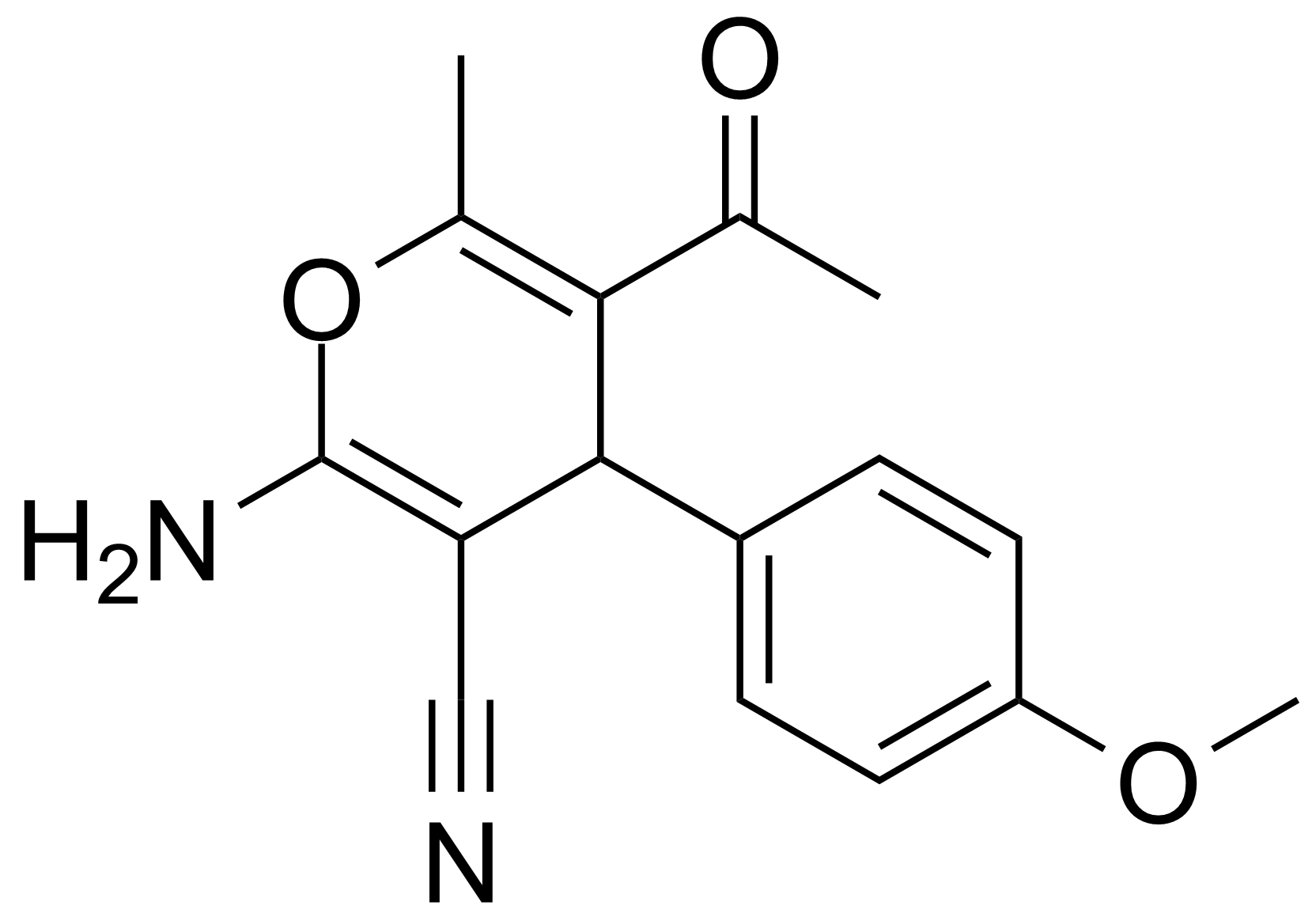 | [105263-07-8] | GEO-00017 | |
| 5-Acetyl-2-amino-6-methyl-4-phenyl-4H-pyran-3-carbonitrile | 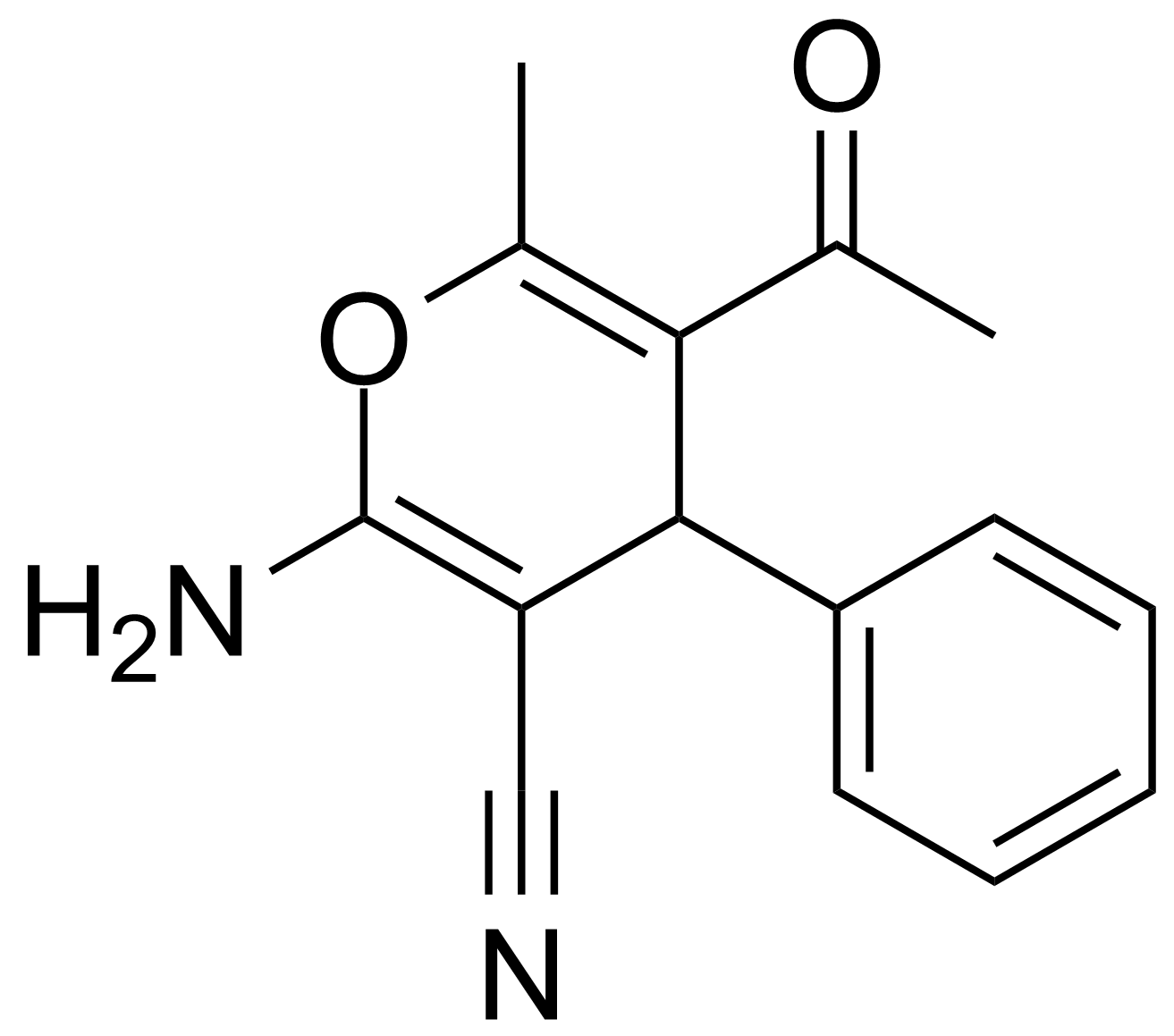 | [89809-89-2] | GEO-00018 | |
| 5-Acetyl-2,2′-bithienyl | 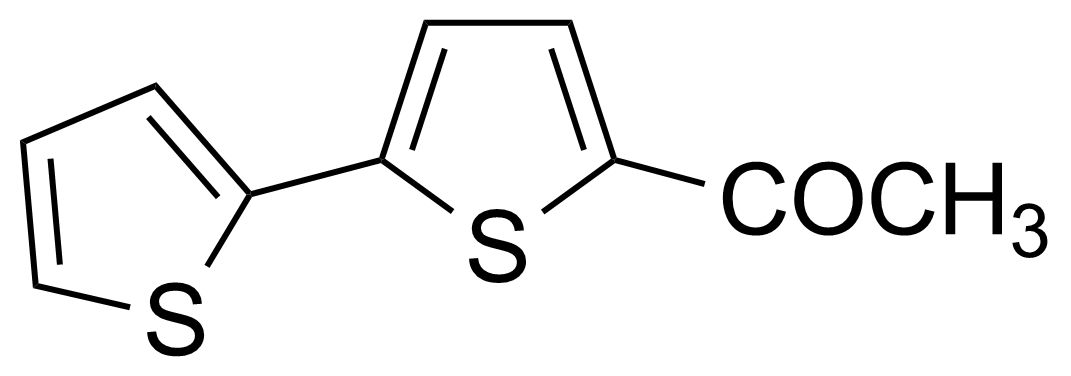 | [3515-18-2] | GEO-00022 | |
| 2-Acetyl-4-bromothiophene | 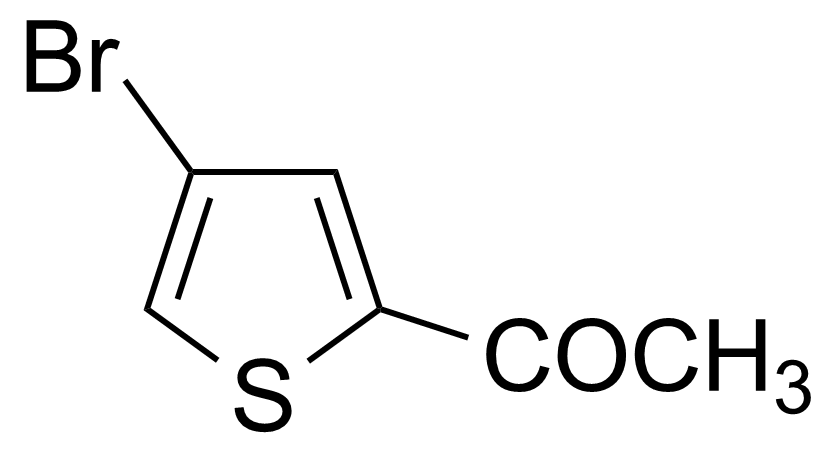 | [7209-11-2] | GEO-00023 | |
| Acetylcyclobutane | 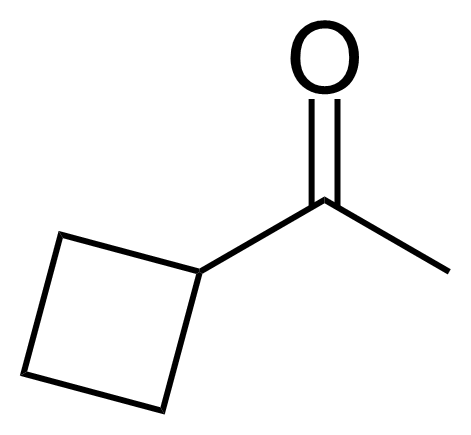 | [3019-25-8] | GEO-00006 | |
| 5-Acetyl-2,3-dihydrobenzo[b]furan | ![Structure of 5-Acetyl-2,3-dihydrobenzo[b]furan](https://georganics.sk/wp-content/uploads/2021/05/GEO-00030_5-Acetyl-23-dihydrobenzobfuran.png) | [90843-31-5] | GEO-00030 | |
| 4-Acetylimidazole | 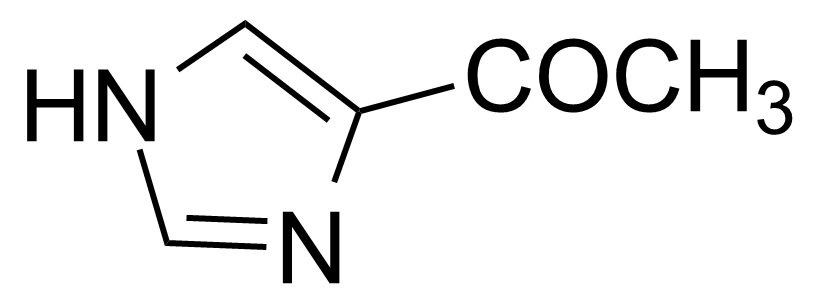 | [61985-25-9] | GEO-03036 | |
| 2-Acetyl-5-methylfuran | 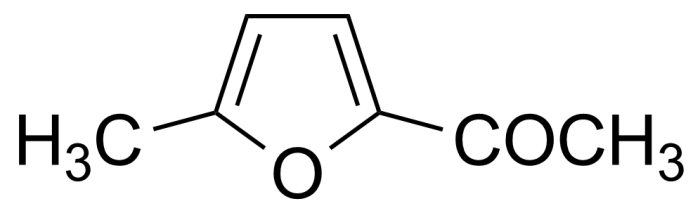 | [1193-79-9] | GEO-00034 | |
| 2-Acetyl-4-methyl-4-pentenoic acid methyl ester | 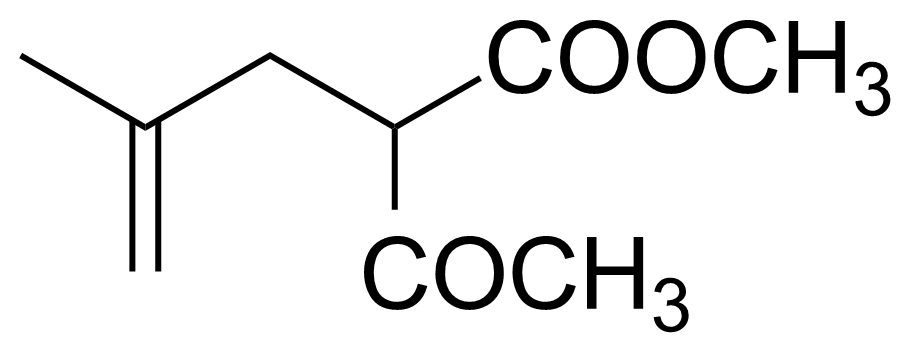 | [20962-71-4] | GEO-03240 |