
Methyl 6-aminonicotinate
6-Aminonicotinic acid methyl ester ; Methyl 6-aminopyridine-3-carboxylate ; Methyl 2-amino-5-pyridinecarboxylate
For more information or to place an inquiry, please email us to
georganics@georganics.sk or use our contact form
Structural identification
Regulatory Information
Not regulated as a dangerous good.

H315 – Causes skin irritation
H319 – Causes serious eye irritation
H335 – May cause respiratory irritation
P261 – Avoid breathing dust/fume/gas/mist/vapours/spray:
P280 – Wear protective gloves/protective clothing/eye protection/face protection:
P302+352 – IF ON SKIN: Wash with soap and water
P305+351+338 – IF IN EYES: Rinse cautiously with water for several minutes. Remove contact lenses if present and easy to do – continue rinsing
Product categorization
Description
Methyl 6-aminonicotinate is a useful chemical compound with a variety of research applications. We are pleased to offer high quality Methyl 6-aminonicotinate in various sizes (for research, pilot-scale, or production applications) from milligrams to multi-kilogram batches, making it easy for you to choose the right amount to suit your needs.
Show full descriptionPreparation of Methyl 6-aminonicotinate:
It can be easily prepared from 6-aminonicotinic acid by reaction with aqueous hydrogen chloride in methanol under reflux.[2]Application:
Methyl 6-aminonicotinate is useful and versatile building block in the synthesis of various important pyridine derivatives. It was used in the synthesis of histone deacetylase 3 (HDAC3) selective inhibitors targeting breast cancer stem cells.[3] Methyl 6-aminonicotinate served as a substrate in the synthesis of glucokinase activators which may represent a new approach to diabetes therapy.[4]Product categorization (Chemical groups):
Main category: Second level: Third level: _______________________________________________________________________Similar products
| Product name | Structure | CAS# | G-code | |
|---|---|---|---|---|
| 5-Acetyl-2-amino-4-(2-furanyl)-6-methyl-4H-pyran-3-carbonitrile | 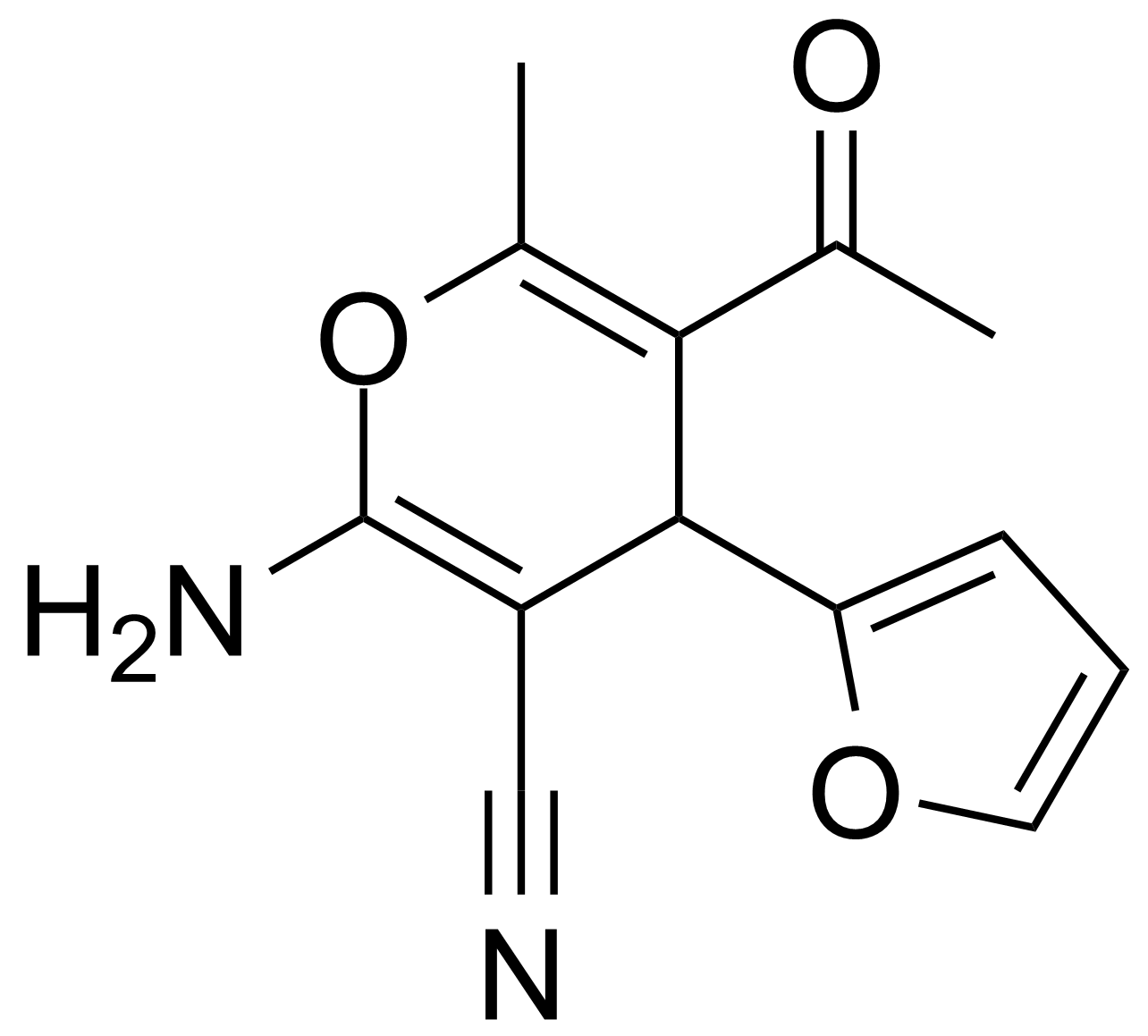 | [105263-08-9] | GEO-00016 | |
| 5-Acetyl-2-amino-4-(4-methoxyphenyl)-6-methyl-4H-pyran-3-carbonitrile | 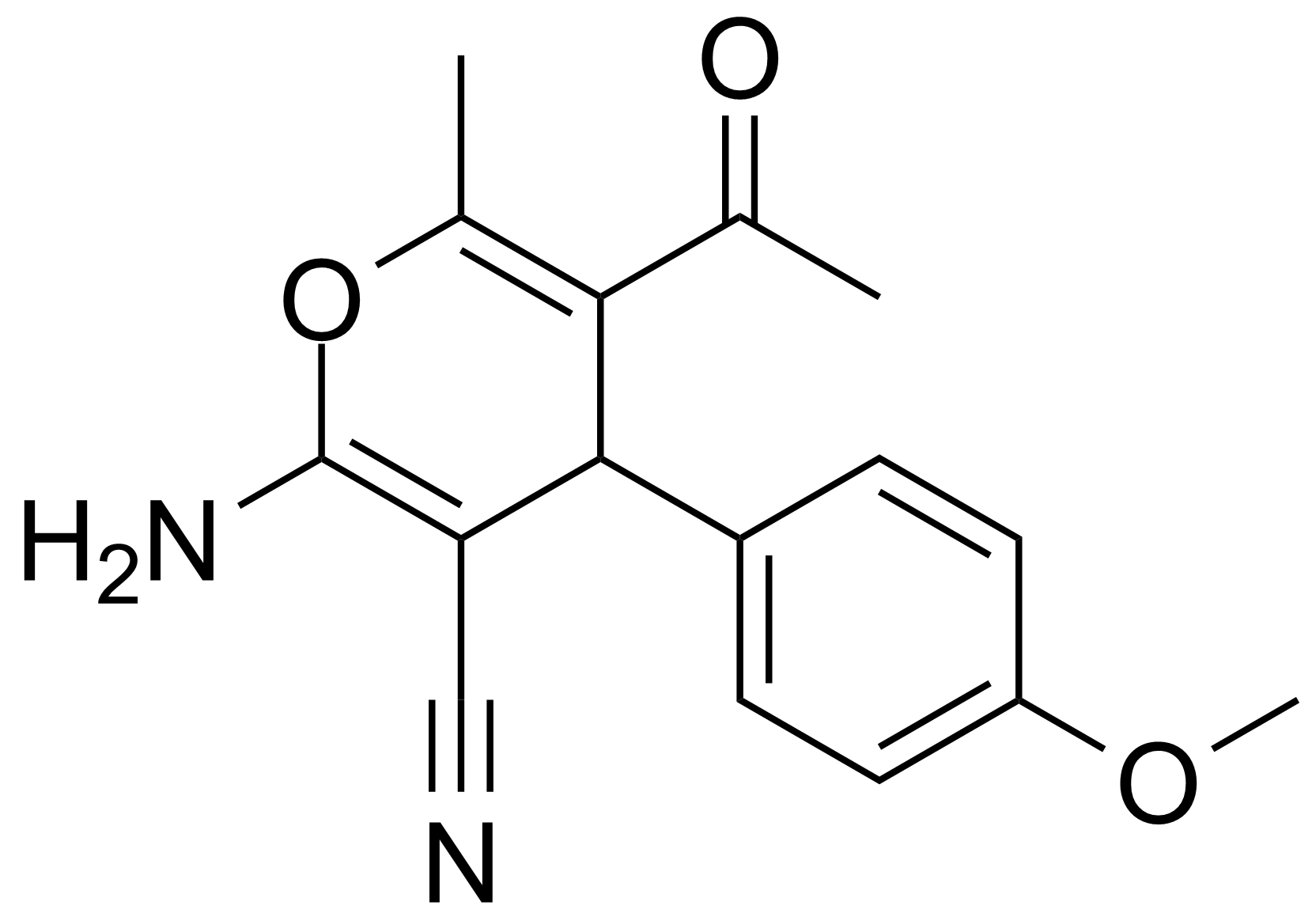 | [105263-07-8] | GEO-00017 | |
| 5-Acetyl-2-amino-6-methyl-4-phenyl-4H-pyran-3-carbonitrile | 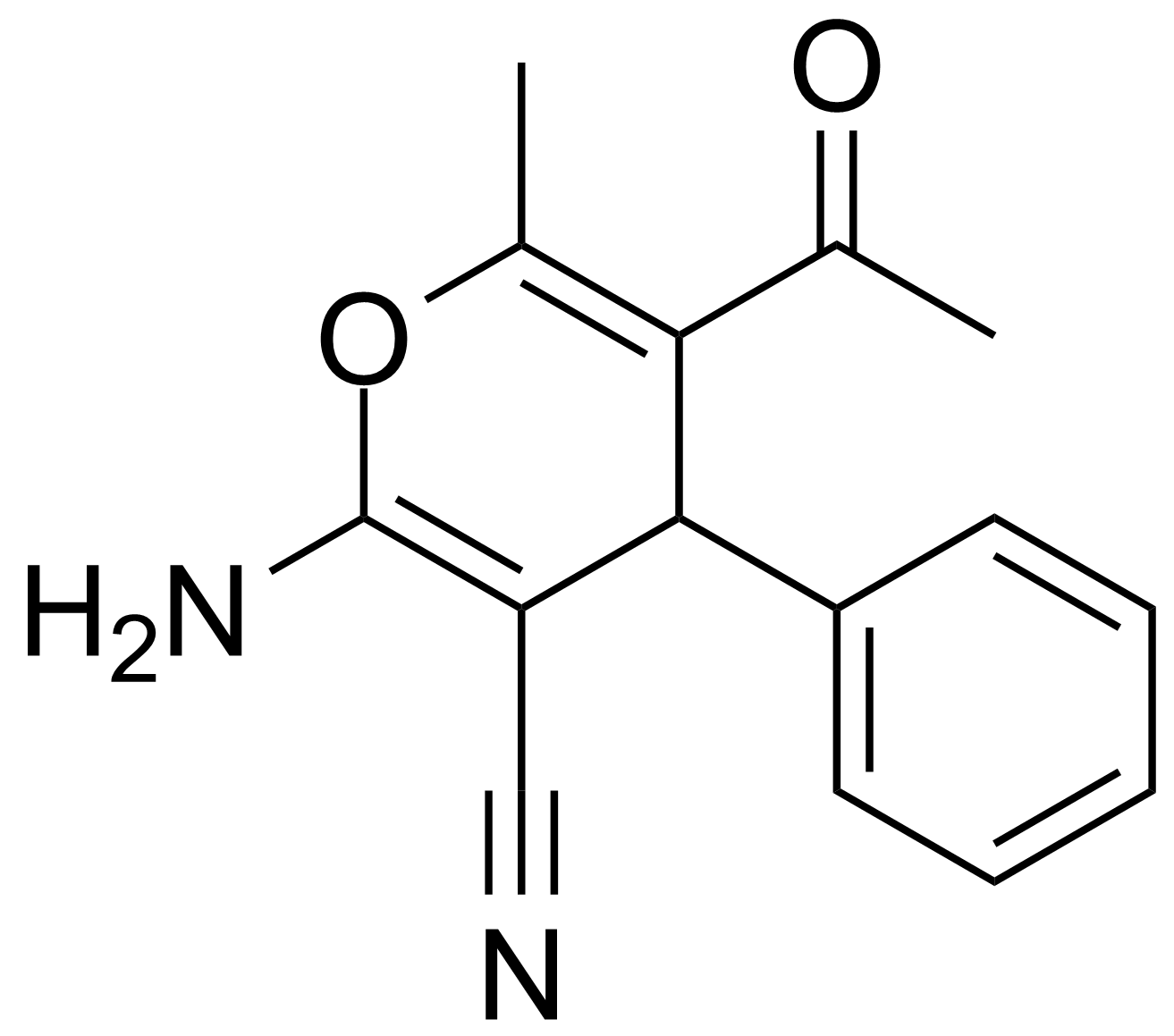 | [89809-89-2] | GEO-00018 | |
| 2-Acetylaminothiazole | 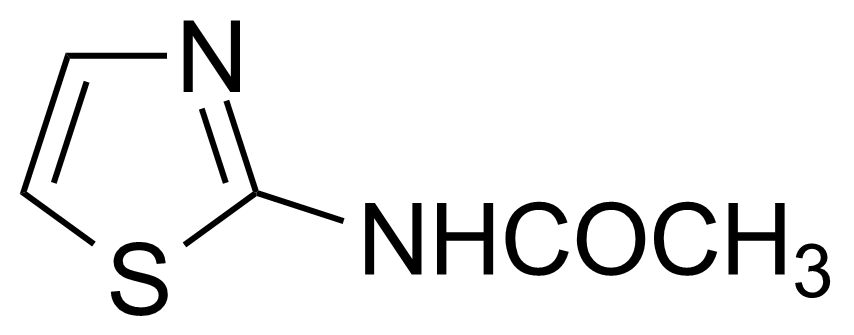 | [2719-23-5] | GEO-00020 | |
| Allylcyclohexylamine | 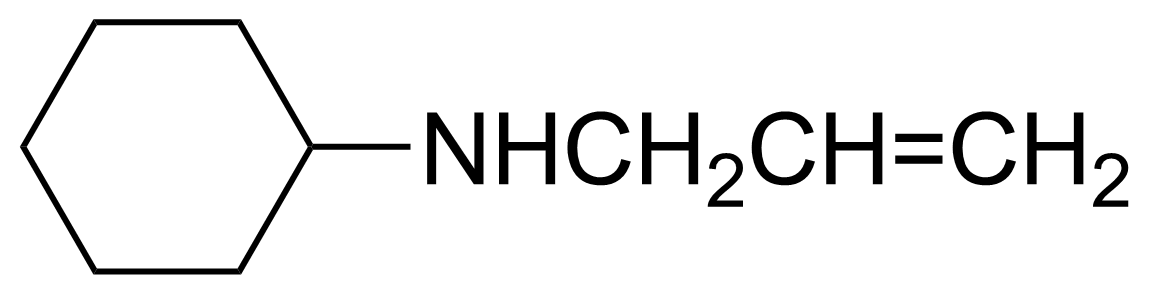 | [6628-00-8] | GEO-00059 | |
| 4-Amino-2,1,3-benzothiadiazole | 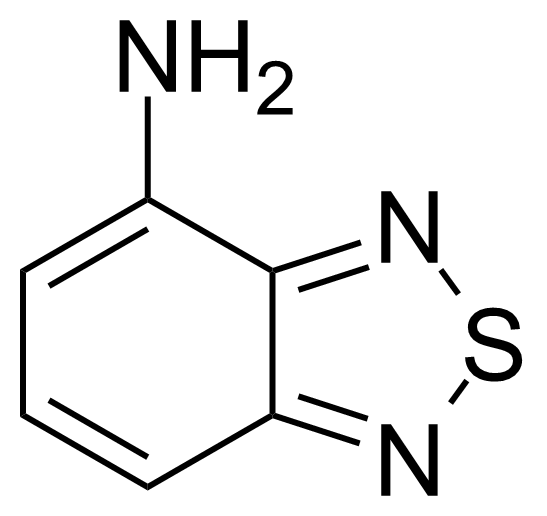 | [767-64-6] | GEO-00070 | |
| 2-Aminobenzothiazole | 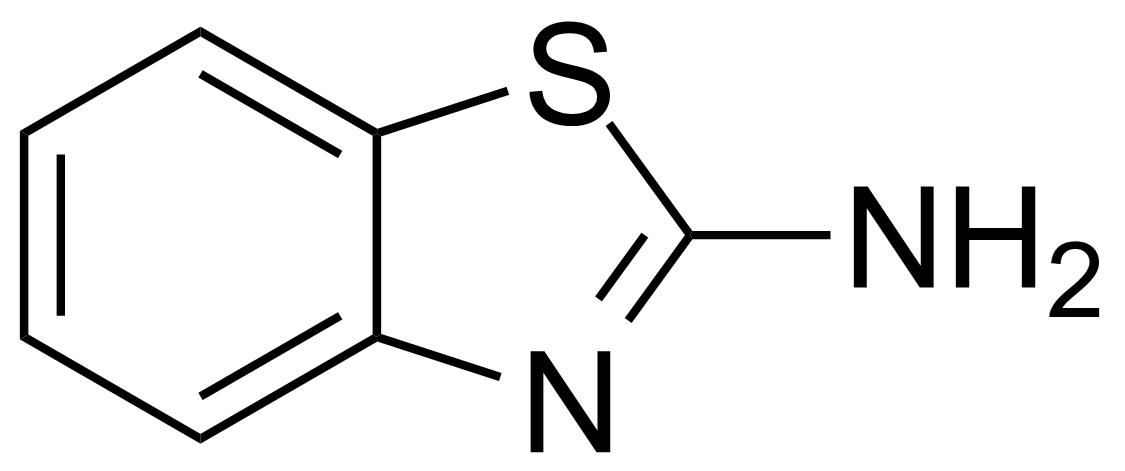 | [136-95-8] | GEO-00068 | |
| 5-Amino-2-bromobenzoic acid | 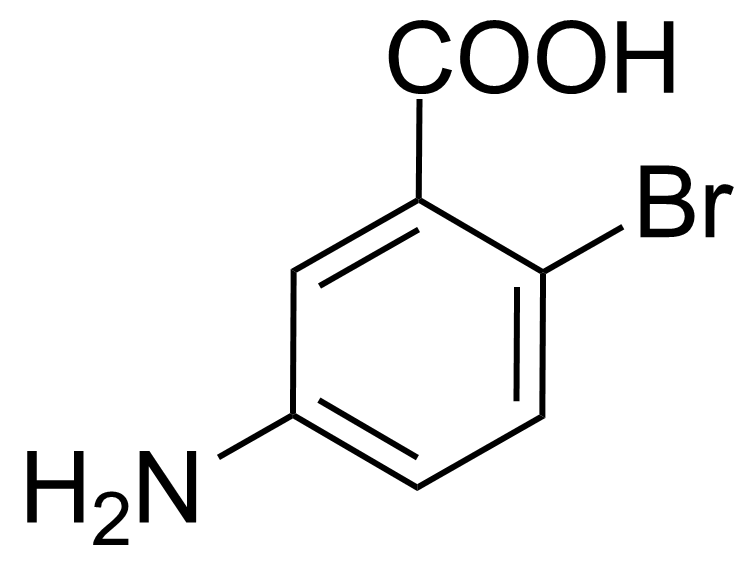 | [2840-02-0] | GEO-00082 | |
| 2-Amino-6-bromobenzothiazole | 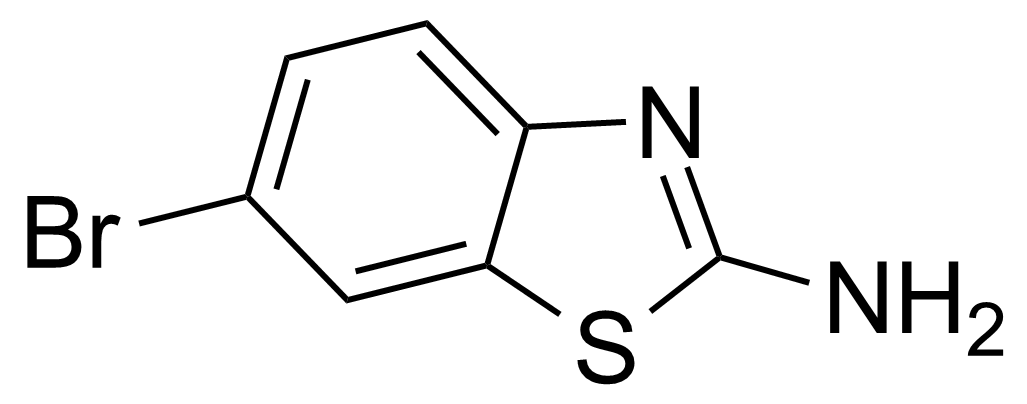 | [15864-32-1] | GEO-00083 | |
| 6-Amino-5-bromo-1-methyluracil monohydrate | 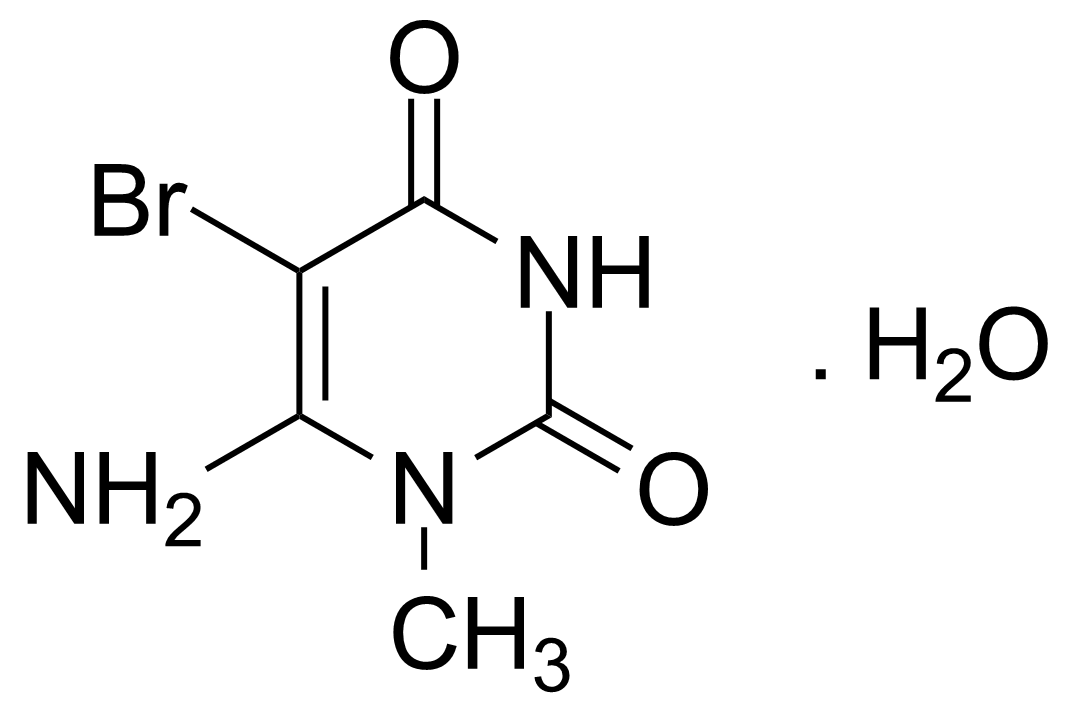 | [14094-37-2] | GEO-00087 |