
Methyl 2-amino-3-thiophenecarboxylate
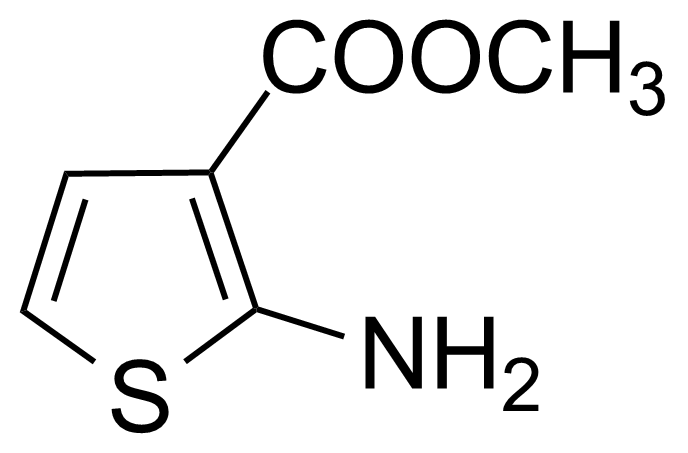
For more information or to place an inquiry, please email us to
georganics@georganics.sk or use our contact form
Pack Sizes & Pricing
Georganics offers flexible supply options for customers requiring anything from gram-scale quantities for research and development through to multi-kilogram shipments for industrial applications. Prices are available upon request and are based on product specification, quantity, packaging requirements, and delivery destination.
Please get in touch and our team will provide a tailored quotation. Please email us to georganics@georganics.sk or use our contact form
Specification
Structural identification
Regulatory Information
Not regulated as a dangerous good.

H315 – Causes skin irritation
H319 – Causes serious eye irritation
H335 – May cause respiratory irritation
P261 – Avoid breathing dust/fume/gas/mist/vapours/spray:
P280 – Wear protective gloves/protective clothing/eye protection/face protection:
P302+352 – IF ON SKIN: Wash with soap and water
P305+351+338 – IF IN EYES: Rinse cautiously with water for several minutes. Remove contact lenses if present and easy to do – continue rinsing
Product categorization
Description
Show full descriptionPreparation of Methyl 2-amino-3-thiophenecarboxylate:
It can be prepared by modifed Gewald reaction[2] using methyl cyanoacetate and 1,4-dithiane-2,5-diol in the presence of triethylamine in methanol. [3]Application of Methyl 2-amino-3-thiophenecarboxylate:
2-Aminothiophene derivatives are important five-membered building blocks in organic synthesis. Urea derivatives of 2-amino-3-carbomethoxythiophene exhibited promising in vitro cytotoxicity against a human cancer cell lines as an effective binders of ribonucleotidereductase protein.[4] It was used as a building block in synthesis of various thienopyrimidine derivatives which are interesting structural element in development of pharmaceutical compounds.[5] Among others, these heterocycles have been used as part of kinase inhibitors to regulate dysfunctional cell signalling in cancer cells,[6] as calcium receptor antagonists,[7] transglutaminase inhibitors,[8] as peptidase IV inhibitors[9] and against hepatitis C virus infections.[10]Product categorization (Chemical groups):
Main category: Second level: Third level: _______________________________________________________________________Similar products
| Product name | Structure | CAS# | G-code | |
|---|---|---|---|---|
| 2-Acetamido-3,4,6-tri-O-acetyl-2-deoxy-beta-D-glucopyranosyl azide | 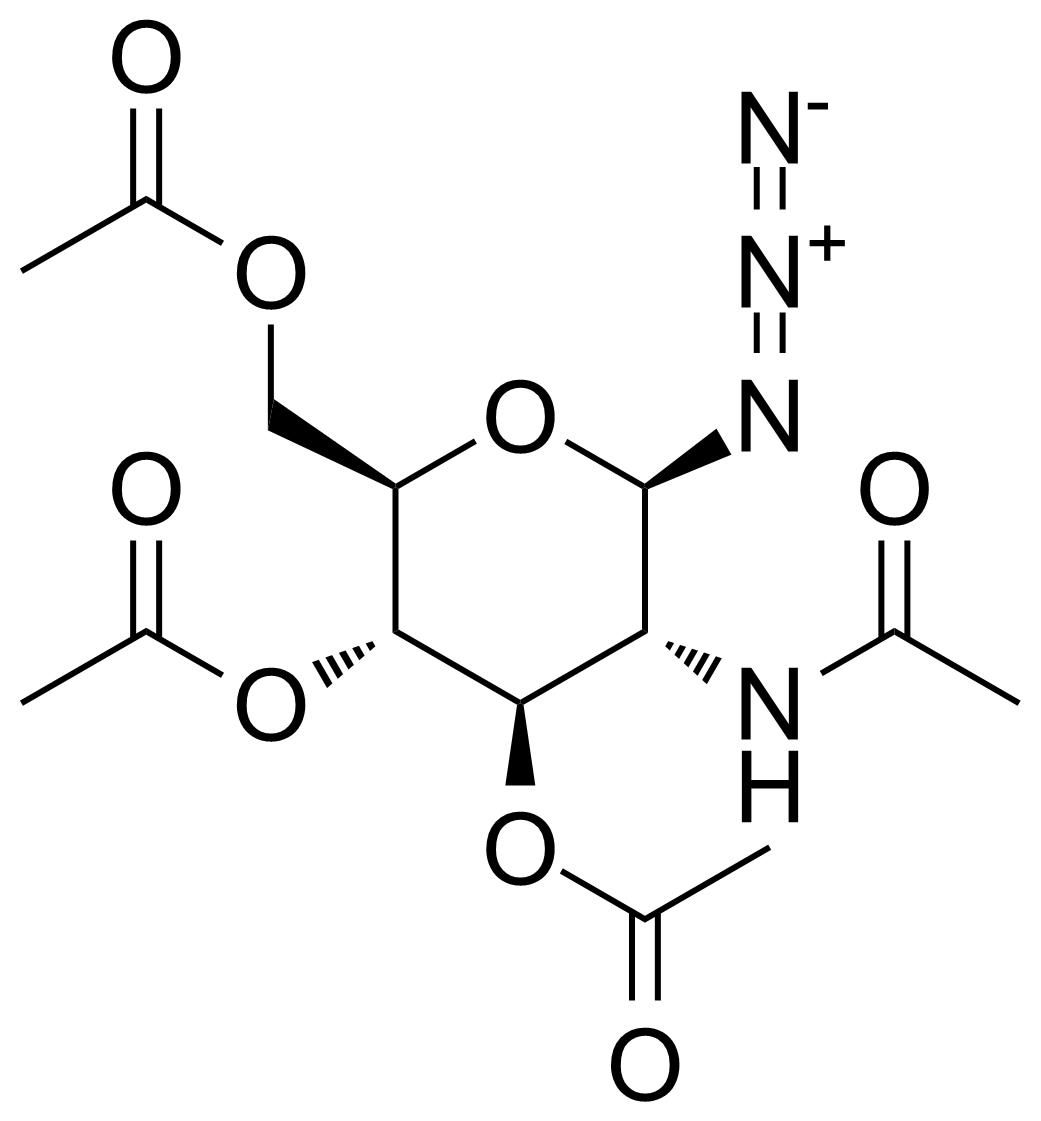 | [6205-69-2] | GEO-03200 | |
| 2-Acetamido-3,4,6-tri-O-acetyl-2-deoxy-alpha-D-glucopyranosyl chloride | 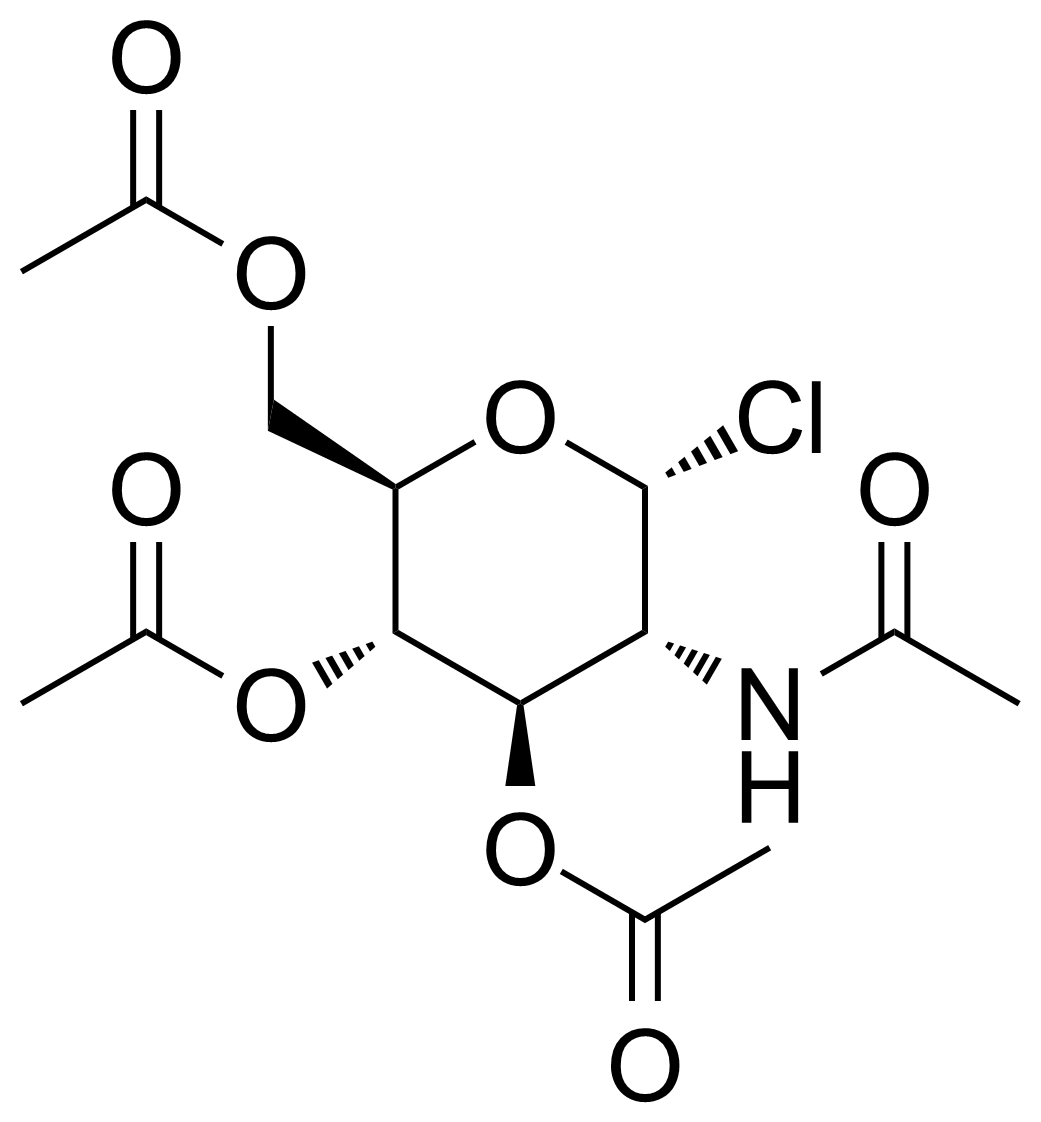 | [3068-34-6] | GEO-03374 | |
| 2-Acetamido-1,3,4,6-tetra-O-acetyl-2-deoxy-beta-D-glucopyranose | 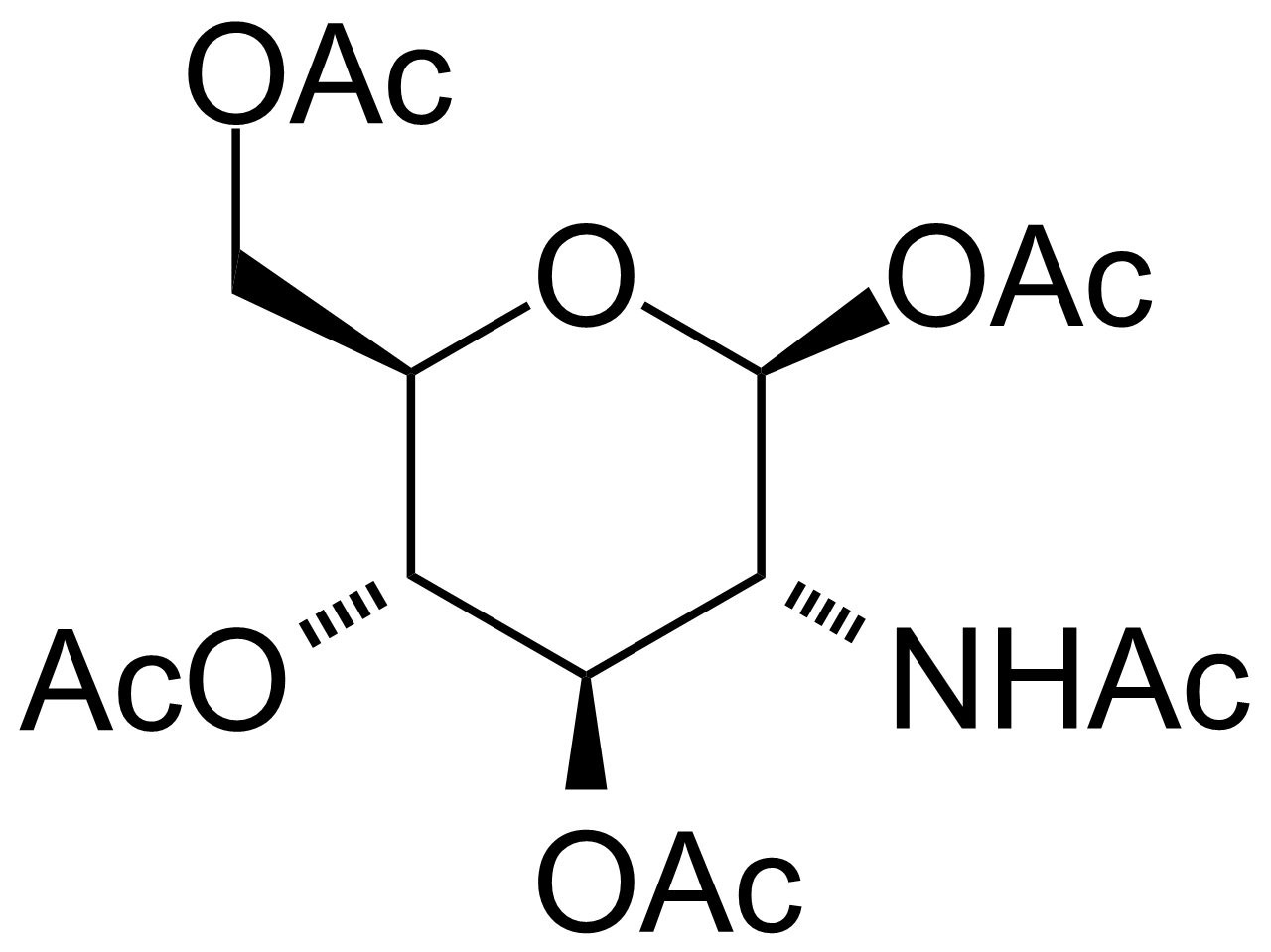 | [7772-79-4] | GEO-02610 | |
| Acetochloro-beta-D-glucose | 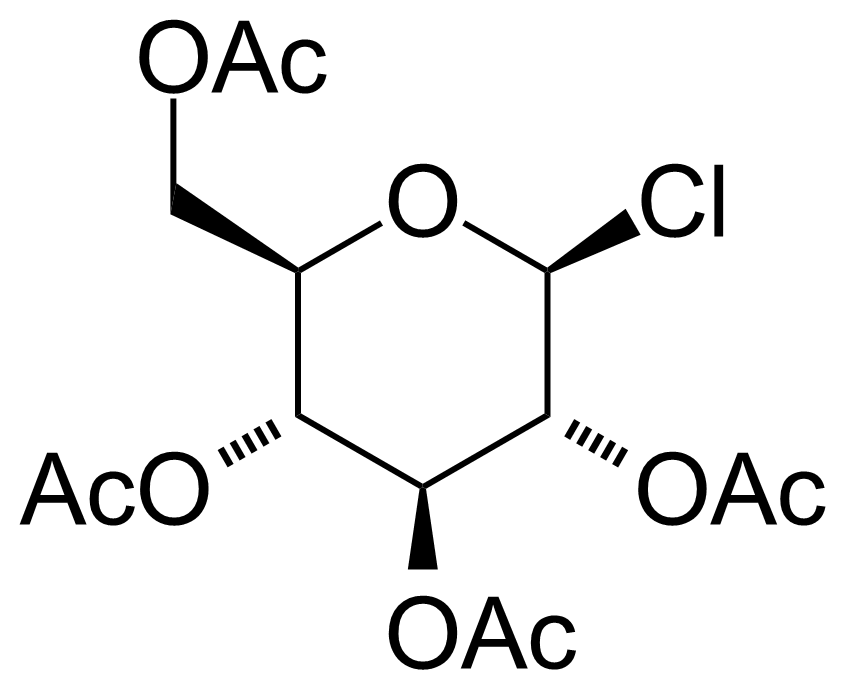 | [4451-36-9] | GEO-00008 | |
| 5-Acetoxymethyl-2-furaldehyde | 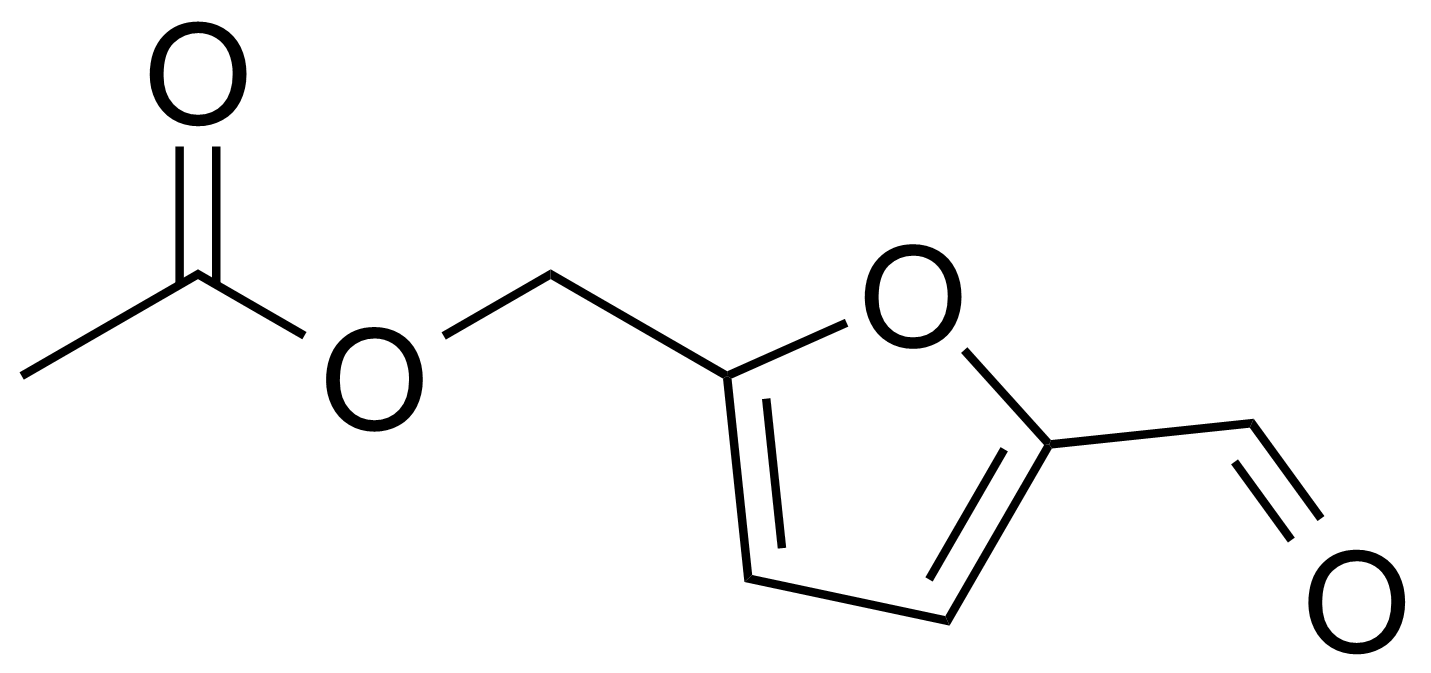 | [10551-58-3] | GEO-00013 | |
| 2-Acetyl-4-methyl-4-pentenoic acid methyl ester | 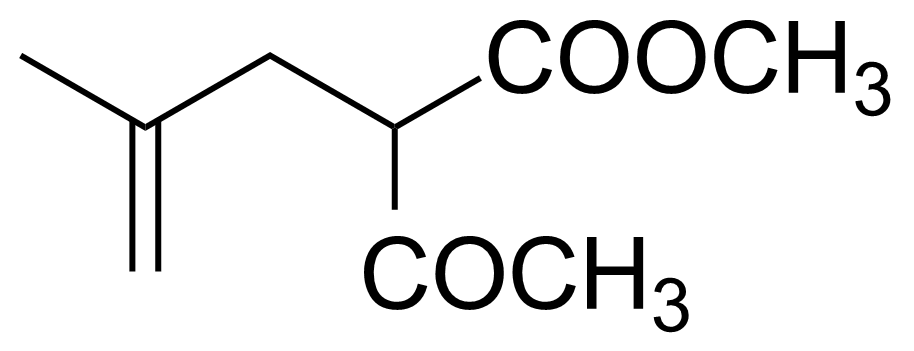 | [20962-71-4] | GEO-03240 | |
| 5-(Acetyloxy)-2(5H)-furanone | 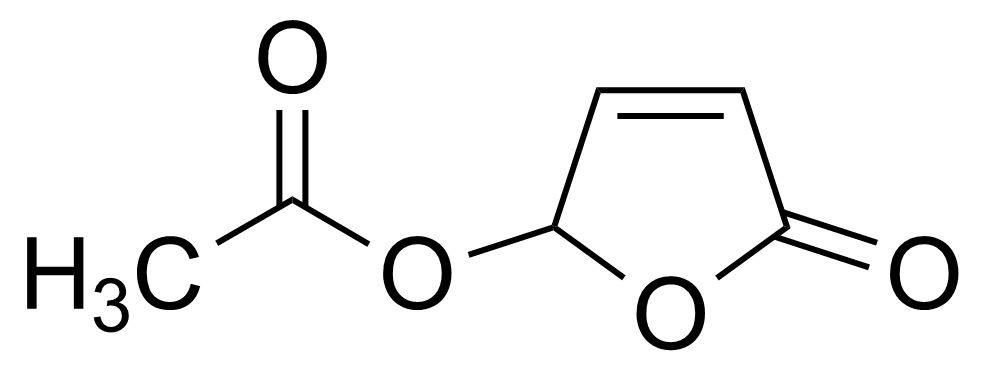 | [122952-20-9] | GEO-00007 | |
| 1-Adamantyl methacrylate | 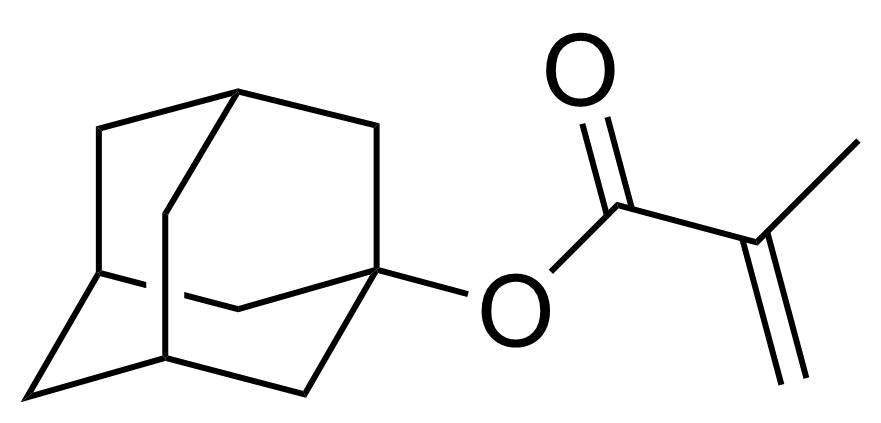 | [16887-36-8] | GEO-04510 | |
| Adipic acid monoethyl ester | 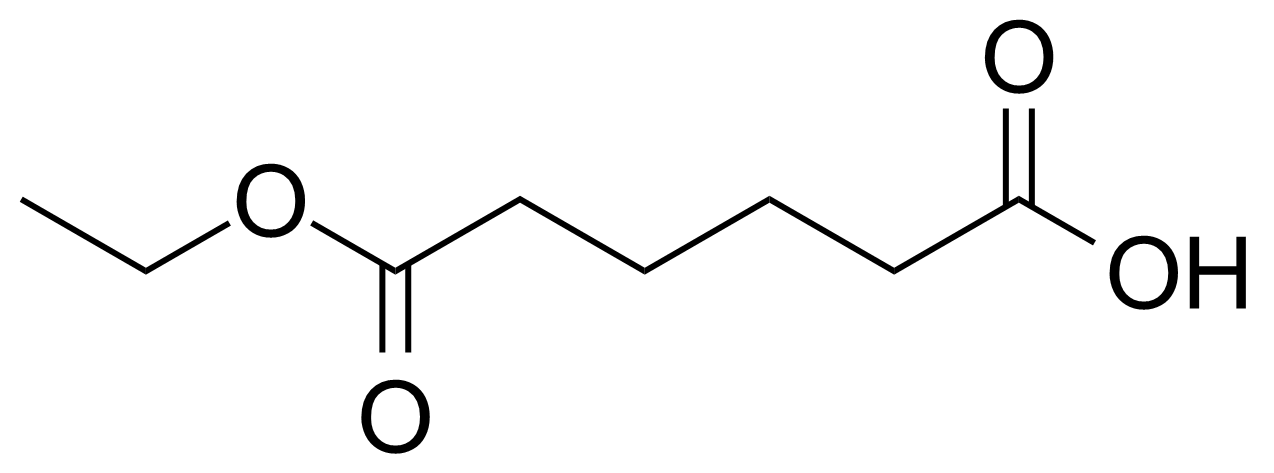 | [626-86-8] | GEO-00054 | |
| 2-Aminoethyl methacrylate hydrochloride | 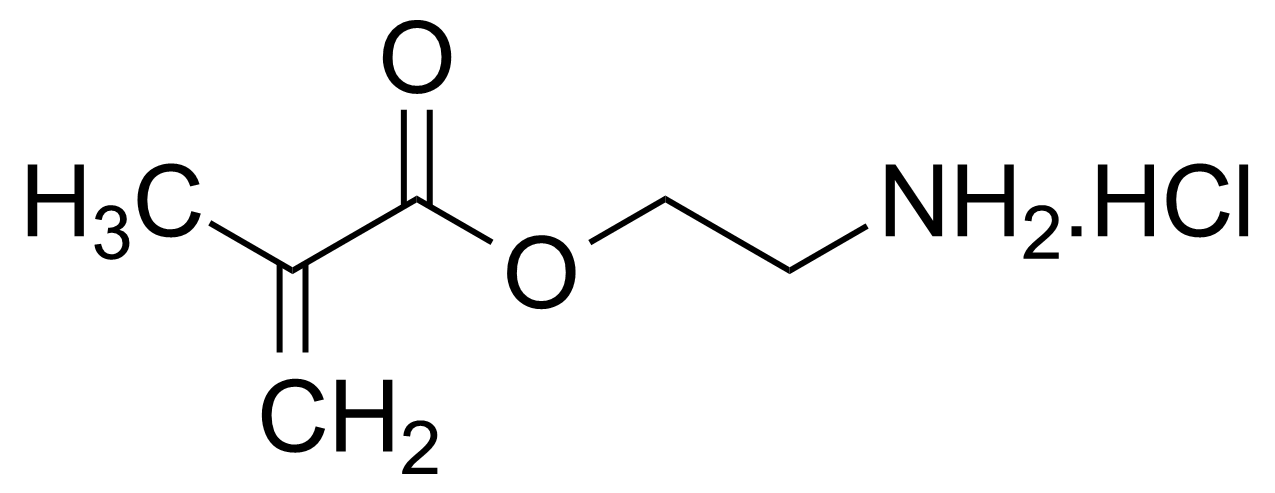 | [2420-94-2] | GEO-00132 |