
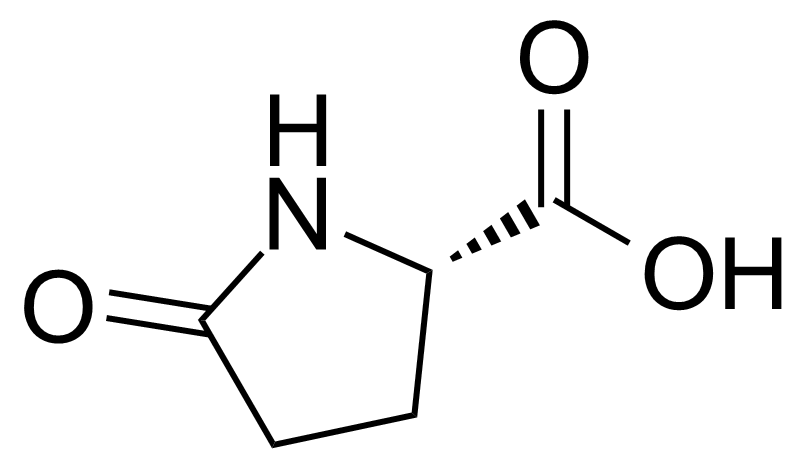
L-Pyroglutamic acid
CAS#[98-79-3]
G-codeGEO-04256
EC number202-700-3
Molecular formulaC5H7NO3
Molecular weight129.12
Synonyms L-Pyroglutamic acid ; 5-Oxoproline ; 5-Oxopyrrolidine-2-carboxylic acid ; L-5-Pyrrolidone-2-carboxylic acid ; (S)-(-)-2-Pyrrolidone-5-carboxylic acid ; (2S)-5-hydroxy-3,4-dihydro-2H-pyrrole-2-carboxylic acid ; (2S)-5-Oxopyrrolidine-2-carboxylic acid ; (S)-5-Oxo-2-pyrrolidine carboxylic acid ; (S)-5-oxopyrrolidine-2-carboxylic acid ; 2-Aminopentanedioic acid ; 5-Oxo-L-proline ; L-2-Pyrrolidone-5-carboxylic acid ; Pidolic acid ; L-Pyrrolidonecarboxylic acid
For more information or to place an inquiry, please email us to
georganics@georganics.sk or use our contact form
Pack Sizes & Pricing
Georganics offers flexible supply options for customers requiring anything from gram-scale quantities for research and development through to multi-kilogram shipments for industrial applications. Prices are available upon request and are based on product specification, quantity, packaging requirements, and delivery destination.
Please get in touch and our team will provide a tailored quotation. Please email us to georganics@georganics.sk or use our contact form
Specification
AppearanceWhite to almost white powder to crystal
Purity (GC)98% (GC)
IdentificationConforms to structure
Structural identification
Regulatory Information
Not a hazardous substance or mixture according to Regulation (EC) No. 1272/2008.
Documents
Product categorization
Second level
Third level
Description
Show full descriptionL-Pyroglutamic acid (also known as PCA, 5-oxoproline, pidolic acid) [98-79-3] is a five-membered lactam of glutamic acid. It is a pale yellow crystalline solid with the melting point of 155-157 °C.[1] It is a ubiquitous, but little studied natural amino acid derivative. It occurs naturally in fruits, some plant foods, dairy, and fermented products such as soy sauce. It is a metabolite in the glutathione cycle that is converted to glutamate by 5-oxoprolinase.[2]
Preparation of L-pyroglutamic acid:
PCA can be easily obtained by direct thermal dehydration of L-glutamic acid in water under reflux.[3]Application of L-pyroglutamic acid:
In neurology, the brain-boosting effects of PCA were discovered in 1984. It plays an important role in the preservation and activity of the key neurotransmitters acetylcholine, gamma-aminobutyric acid (GABA) and glutamic acid.[4] It readily passes the blood-brain barrier to stimulate cognitive-enhancing function in rats[5] and reduce age-associated memory decline in humans.[6] In drug delivery, PCA esters can be used as dermal penetration enhancers for therapeutic agents having poor skin permeation or hair growth agents.[7] In chemical synthesis, it has been used as a versatile chiral building block in asymmetric synthesis of alkaloids, pharmaceuticals, and many other natural products.[8],[9] PCA is also known as a novel organic nonlinear optical (NLO) material for tunable UV harmonic generation down to 266 nm at room temperature.[10]Product categorization (Chemical groups):
Main category: Second level: Third level: _______________________________________________________________________ [1] F. Wang, J. K. Liu Helv. Chim. Acta 2004, 87 (8), 2131. doi:10.1002/hlca.200490193 [2] P. V. D. Werf, A. Meister Adv. Enzymol. Relat. Areas Mol. Biol. 1975, 43, 519. doi:10.1002/9780470122884.ch7 [3] P. M. Hardy Synthesis 1978, (4), 290. doi:10.1055/s-1978-24726 [4] T. Antonelli, V. Carlà, L. Lambertini, F. Moroni, C. Bianchi Pharmacol. Res. Commun. 1984, 16 (2), 189. doi:10.1016/S0031-6989(84)80094-6 [5] F. Drago, C. Valerio, V. D’Agata, C. Astuto, F. Spadaro, G. Continella, U. Scapagnini, Funct. Neurol. 1988, 3 (2), 137. pmid:3402813 [6] S. Grioli, C. Lomeo, M. C. Quattropani, G. Spignoli, C. Villardita Fundam. Clin. Pharmacol. 1990, 4 (2), 169. doi:10.1111/j.1472-8206.1990.tb00485.x [7] W. T. Gibson, I. R. Scott Cosmetic composition comprising an ester of pyroglutamic acid 1992, Chesebrough Ponds USA Inc. US5158955. [8] Y. Ohfune, M. Tomita J. Am. Chem. Soc. 1982, 104 (12), 3511. doi:10.1021/ja00376a048 [9] K. L. Yu, G. Rajakumar, L. K. Srivastava, R. K. Mishra, R. L. Johnson J. Med. Chem. 1988, 31 (7), 1430. doi:10.1021/jm00402a031 [10] M. Kitazawa, R. Higuchi, M. Takahashi Appl. Phys. Lett. 1994, 64, 2477. doi:10.1063/1.111602
Similar products
| Product name | Structure | CAS# | G-code | |
|---|---|---|---|---|
| 3-Acetoxybenzo[b]furan |  | [93680-80-9] | GEO-00011 | |
| 1-Adamantaneacetic acid | 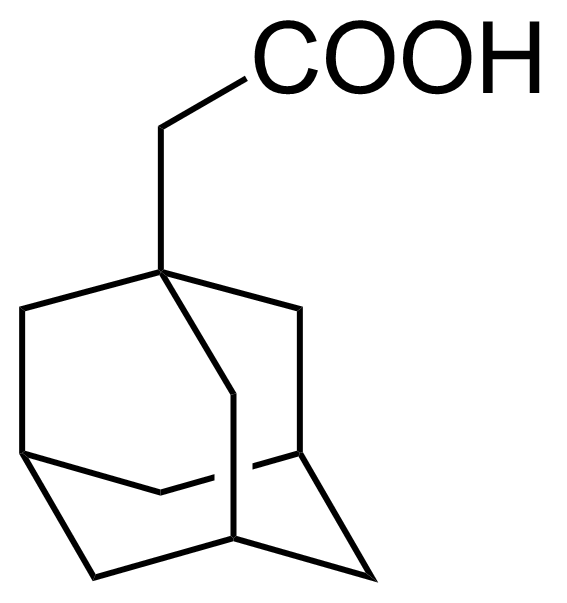 | [4942-47-6] | GEO-00049 | |
| 5-Amino-2-bromobenzoic acid | 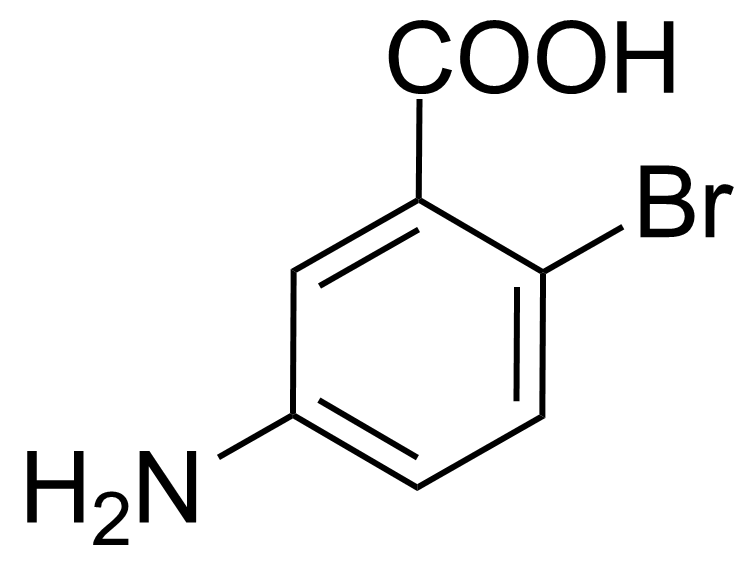 | [2840-02-0] | GEO-00082 | |
| (2R,4S)-2-Amino-4-cyclohexyl-4-hydroxybutanoic acid | 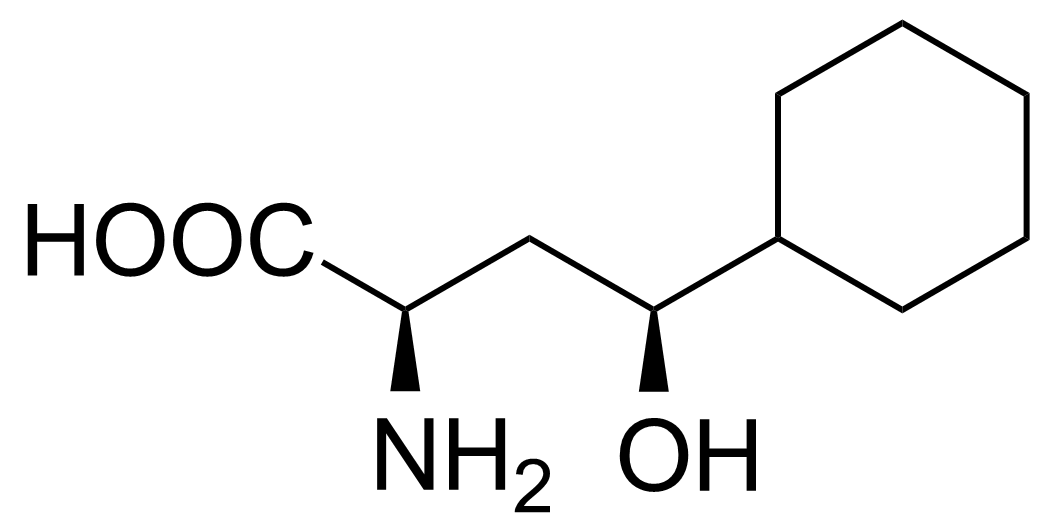 | [] | GEO-02717 | |
| 4-Amino-3-hydroxybenzoic acid | 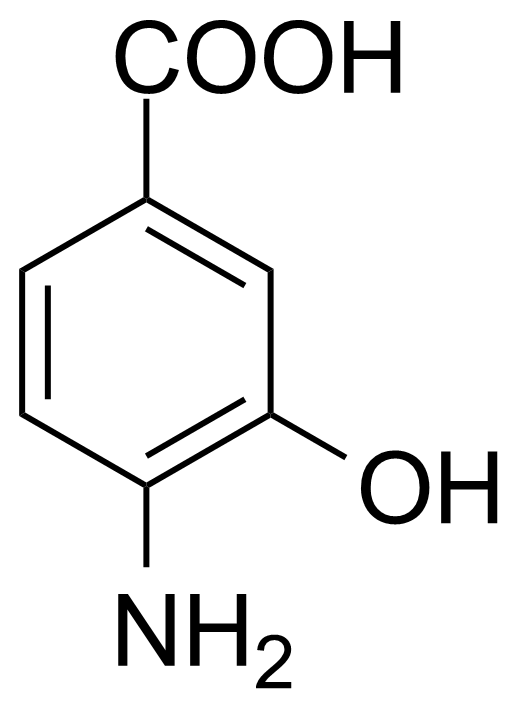 | [2374-03-0] | GEO-00141 | |
| (2R,4S)-2-Amino-4-hydroxy-4-phenylbutanoic acid | 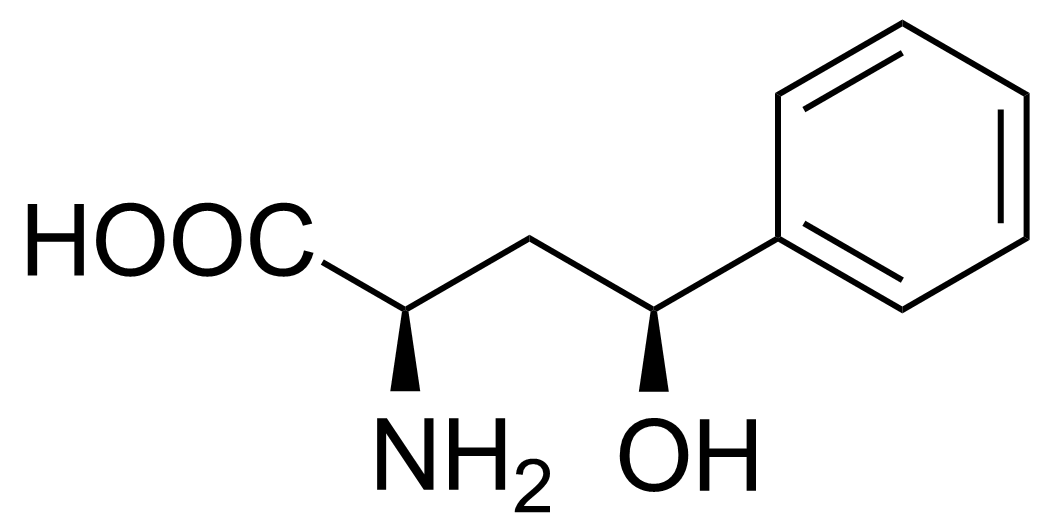 | [] | GEO-02718 | |
| (R)-2-Amino-2-((1S,2R)-1-hydroxy-1,2,3,4-tetrahydronaphthalen-2-yl)acetic acid | 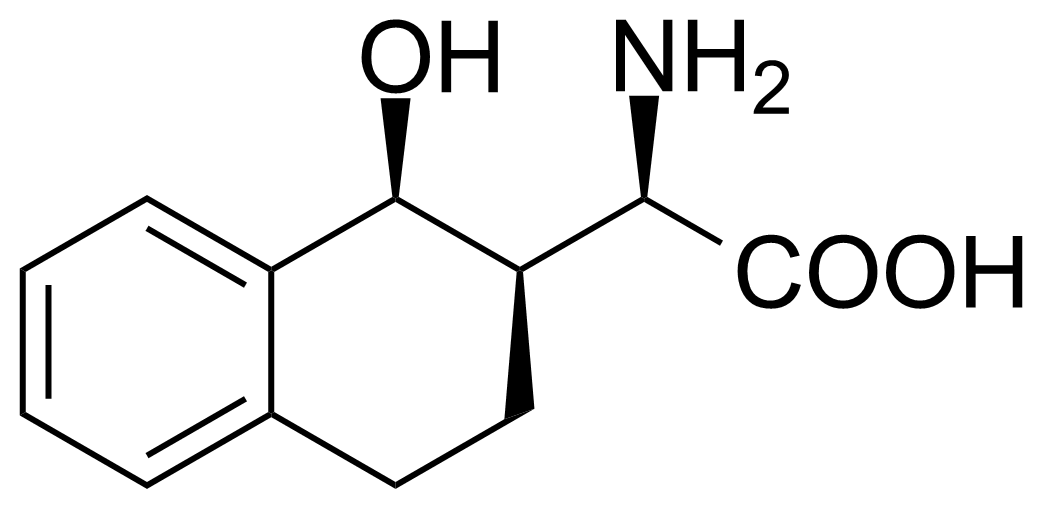 | [] | GEO-02719 | |
| 4-Amino-3-methoxybenzoic acid | 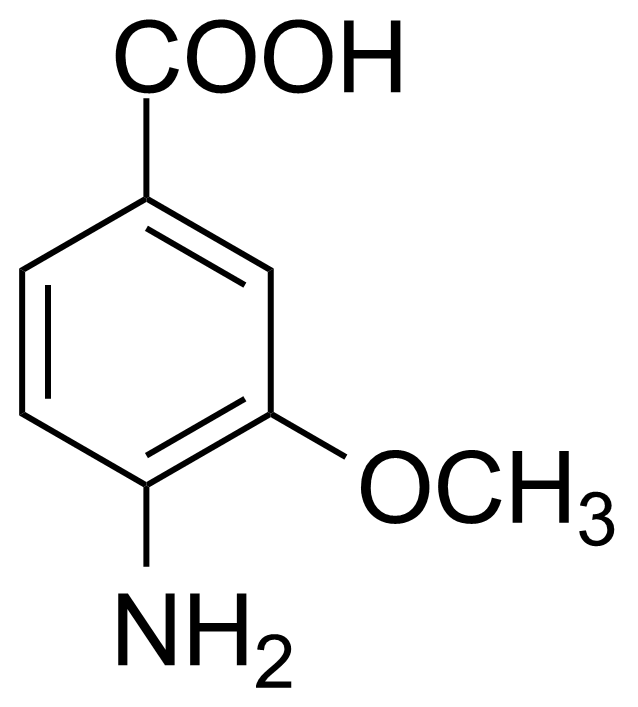 | [2486-69-3] | GEO-00154 | |
| 2-Amino-5-methylbenzoic acid | 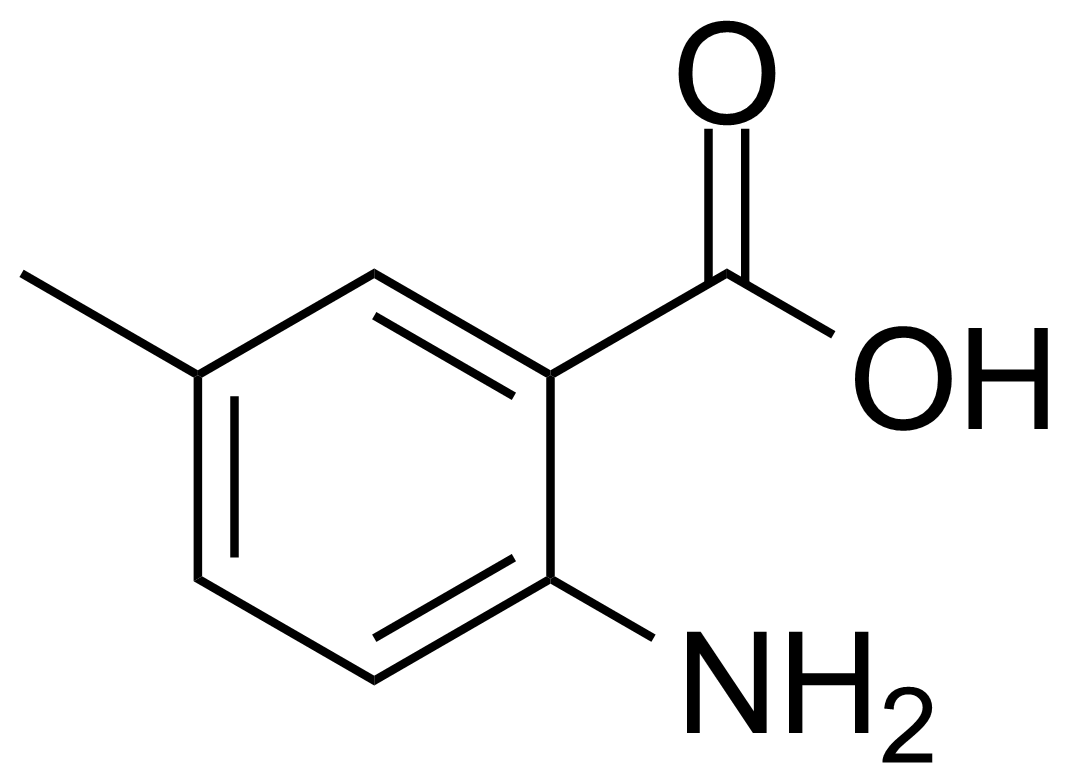 | [2941-78-8] | GEO-02910 | |
| 6-Amino-2-naphthoic acid | 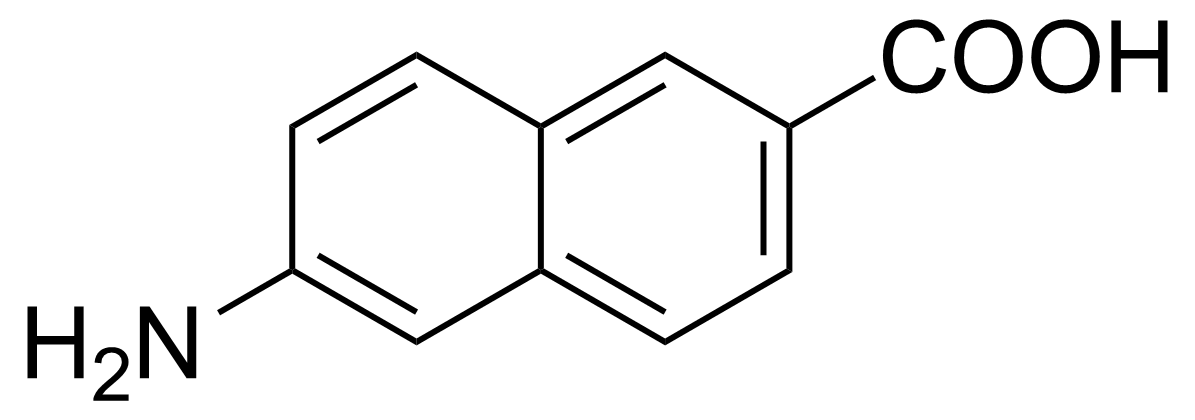 | [116668-47-4] | GEO-00179 |