
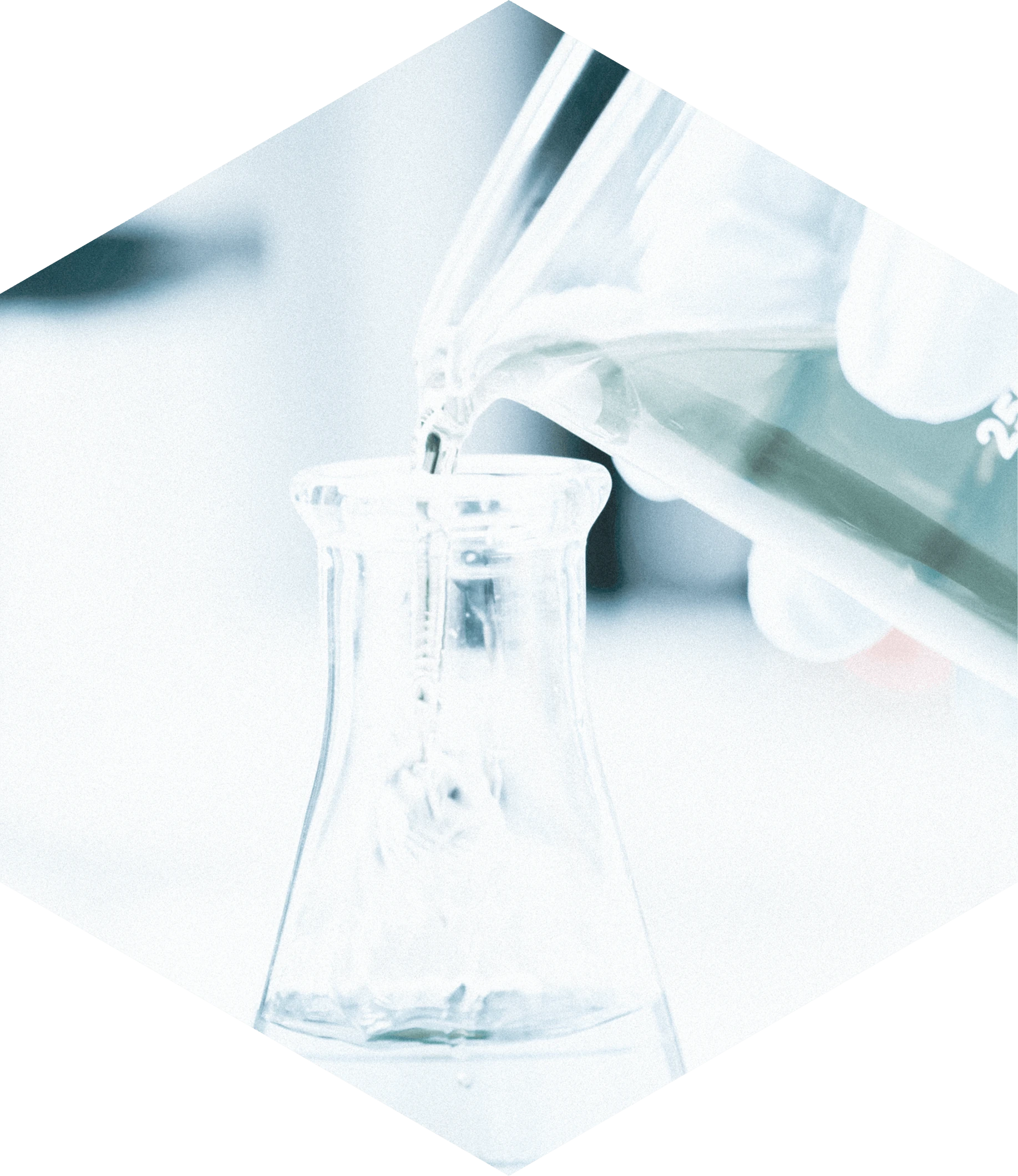
Chemical analysis
Category: Testing and Analysis
Chemical analysis is a fundamental branch of chemistry concerned with the identification, separation, and quantification of the constituents within a substance or mixture. It employs a range of techniques and processes to determine both the composition and structural characteristics of a given sample.
Chemical analysis is broadly divided into two categories:
1. Qualitative Analysis
- Purpose: Identifies what substances are present.
- Examples:
- Detecting the presence of lead in water.
- Identifying unknown compounds in a forensic sample.
2. Quantitative Analysis
- Purpose: Measures how much of each substance is present.
- Examples:
- Determining glucose levels in blood.
- Measuring the concentration of pollutants in air.
Common Techniques in Chemical Analysis
| Technique | Description | Used For |
|---|---|---|
| Spectroscopy | Measures interaction of light with matter (e.g., UV, IR, NMR, Mass Spec) | Identifying molecular structure and elements |
| Chromatography | Separates components of a mixture (e.g., gas, liquid chromatography) | Drug testing, food safety, environmental tests |
| Titration | Uses a reagent to react with a sample to determine concentration | Acidity, alkalinity, and concentration checks |
| Electrochemical Methods | Measures electrical properties (e.g., pH, conductivity) | Water quality, battery testing |
| Gravimetric Analysis | Measures mass of a substance after chemical reaction | Purity and composition analysis |